

Key Takeaways
- Food left out — including pet food, dirty dishes, and food scraps — is the single biggest reason pests enter homes.
- Moisture from leaky pipes, standing water, and clogged gutters creates ideal breeding grounds for insects and rodents alike.
- Clutter gives pests places to hide, nest, and multiply — especially in garages, basements, and less-trafficked storage areas.
- Gaps around doors, windows, and utility lines are often how pests first enter a home, regardless of how clean it is.
- Most pest problems are preventable with consistent habits, but once an infestation takes hold, professional pest control is usually necessary.
- Addressing attractants early is the most effective — and most affordable — form of home protection.
Most homeowners don’t realize they’re rolling out a welcome mat for pests until there’s already a problem. Ants trailing across the counter, flies hovering near the sink, rodents rustling behind the walls. These aren’t random events. Pests are pragmatic: they go where food, water, and shelter are easy to find.
Understanding what attracts pests to your home is the first step toward keeping them out. A few consistent habits — combined with knowing when to call for professional support — can make a real difference in how protected your home stays year-round.
If you’re already seeing signs of pest activity inside, that’s a signal worth taking seriously sooner rather than later.
Food Is the Biggest Attractant — By Far
If there’s one thing that draws pests in faster than anything else, it’s accessible food. Ants, cockroaches, flies, and rodents are all driven by the same need: find a food source, stay close to it, and keep coming back.
What “accessible food” actually means
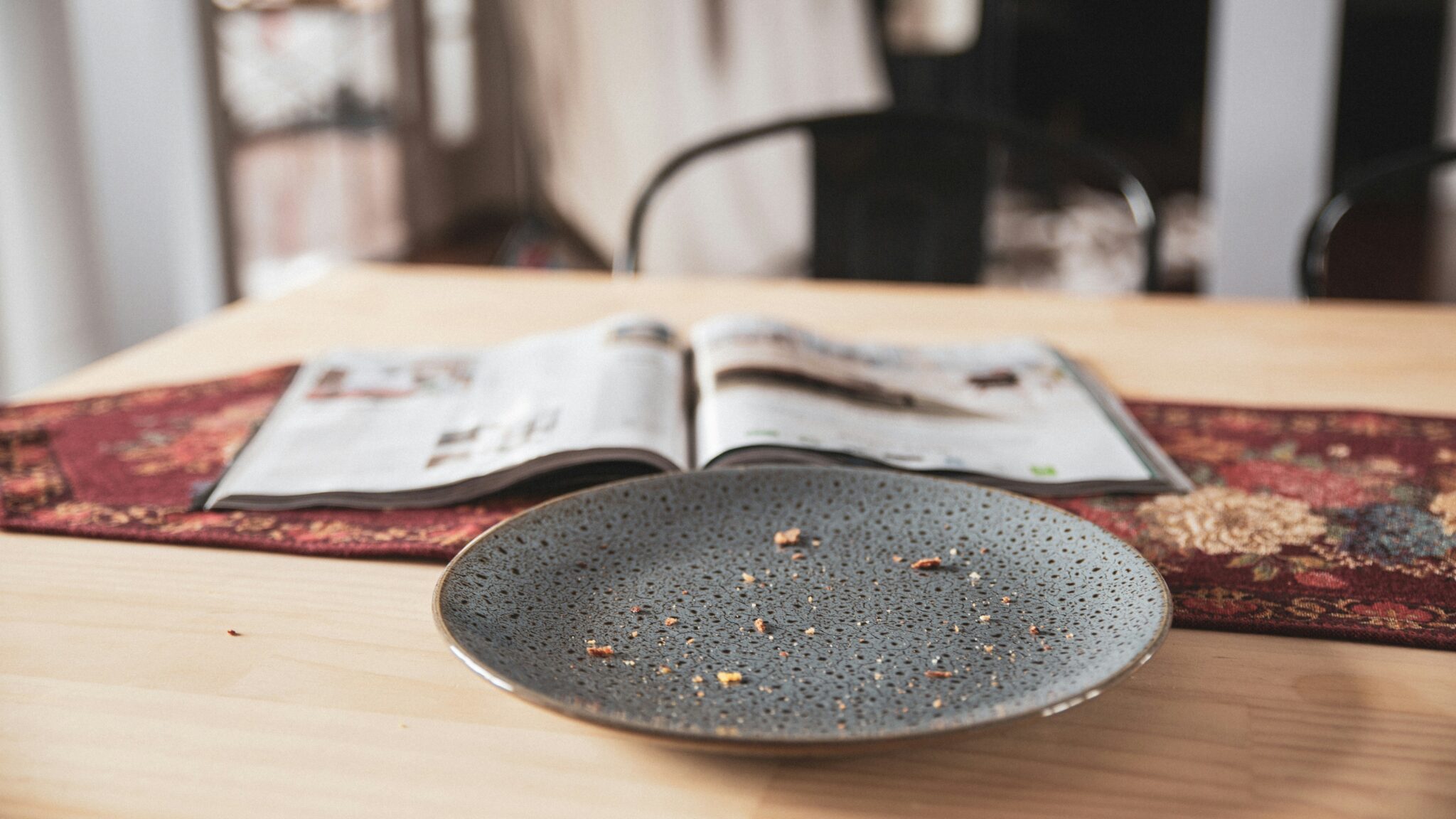
It’s not just an open bag of chips on the counter. Pests are resourceful. Food residue on dirty dishes, crumbs along baseboards, grease built up near the stove — any of it qualifies. Fruit flies, for example, can zero in on a single overripe piece of fruit or a splash of juice left in a glass overnight.
Pet food is one of the most overlooked attractants in a home. Leaving a full bowl out all day is an open invitation. Rodents and ants are especially drawn to dry kibble, and roaches aren’t picky either. The simplest fix: don’t free-feed. Store pet food in a sealed container, not in the original bag once it’s opened.
The trash factor
Your trash bin is a buffet for bugs and rodents if it isn’t managed carefully. Food scraps, packaging with residue, and organic matter break down quickly and emit odors that insects and rats can track from a surprising distance. Keep bins lidded, take trash out regularly, and don’t let bags sit in the garage or on a porch overnight.
The same logic applies outside. Compost piles, uncovered outdoor bins, and even birdseed left near the foundation can pull pests toward your home — and from there, inside.
Moisture Creates Conditions Pests Love
After food, moisture is the second most reliable predictor of pest activity. Many insects — including flies, mosquitoes, and cockroaches — need water to survive and reproduce. A home with persistent moisture problems is a significantly higher-risk environment.
Inside the home
Leaky pipes under sinks, slow drains, and poor bathroom ventilation create humid microclimates that pests find hospitable. Roaches in particular gravitate toward kitchens and bathrooms not just for food, but for the consistent moisture those rooms offer. Even condensation on cold pipes can be enough to sustain small pests over time.
If you’ve noticed bugs appearing repeatedly near your water heater, under a bathroom sink, or around a laundry area — moisture is likely part of the equation.
Outside the home
Clogged gutters are a common and underestimated problem. When gutters overflow, water pools against the foundation — creating a breeding ground for mosquitoes, drawing in carpenter ants, and softening wood that makes it easier for insects to tunnel through. Keeping gutters clear and properly draining is one of the more impactful pest prevention steps a homeowner can take.
Standing water anywhere on the property adds to the risk: low spots in the lawn, flowerpot saucers, bird baths that aren’t refreshed regularly. Effective mosquito control starts with eliminating these sources before reaching for any kind of treatment.
Clutter and Shelter — Why Pests Stay Once They’re In
Pests don’t just need a reason to enter — they need a reason to stay. Clutter gives them that. Stacked cardboard boxes, piles of clothing, bags that haven’t moved in months — these become nesting sites.
Garages and basements are especially vulnerable. They tend to be less trafficked, harder to climate-control, and full of stored items that go undisturbed for long stretches. Rodents, stink bugs, and bed bugs are commonly found in these spaces precisely because the environment suits them: dark, quiet, and full of places to hide.
Reducing clutter doesn’t mean living minimally — it means being intentional about storage. Use sealed plastic bins instead of cardboard boxes. Keep stored items off the floor where possible. Inspect anything that’s been sitting in outside storage before bringing it back in, especially used furniture or boxes from another location.
Entry Points — How Pests Get In the First Place
Even a clean, dry, clutter-free home can develop a pest problem if there are easy ways in. Gaps around window and door frames, cracks in the foundation, spaces where utility pipes and cables enter the structure — these are the openings pests exploit.
Ants can squeeze through incredibly small gaps. Rodents can fit through an opening the size of a quarter. Stink bugs tend to move indoors in the fall specifically through window screens and door seals that haven’t been maintained. A seasonal walkthrough of your home’s exterior — checking weatherstripping, door sweeps, and any visible cracks or gaps near utility entries — often reveals more than homeowners expect.
These small fixes can have an outsized effect on the pest pressure your home experiences all year.
When to Call a Professional
Prevention goes a long way — but it has limits. If you’re addressing the attractants and still seeing consistent pest activity, there’s a good chance an infestation is already established somewhere in your home. At that point, store-bought products rarely solve the problem at its source.
Here are the signs it’s time to bring in residential pest control:
- You’re seeing pests regularly, not occasionally. A single ant or fly means little. Trails, clusters, or repeated sightings in the same area point to something more serious.
- You’ve found droppings or nesting material. Rodent droppings, shed insect skins, or visible nesting are signs of an active, established pest problem — not a random visitor.
- There’s physical damage. Chewed wires, gnaw marks on wood or food packaging, soft spots near window frames, or hollow-sounding walls can all indicate pest activity inside the structure.
- Products haven’t worked. If you’ve treated the visible problem and it keeps coming back, the infestation is likely deeper than surface-level solutions can reach.
- You’re not sure what you’re dealing with. Misidentifying a pest leads to the wrong treatment. A professional can correctly identify the pest species and apply targeted, family-safe solutions that actually address the cause.
Integrated pest management — the approach professional pest control services use — targets the root conditions rather than just the visible symptoms. It’s more effective, and better for your home and family over time.
Mira Home provides professional pest control across Orlando, Tampa, Atlanta, and more — with solutions designed around family safety and lasting results. If you’re seeing signs you can’t explain, a free quote is a low-commitment place to start.
Frequently Asked Questions
What is the most common thing that attracts pests to a home? Food is consistently the top attractant. This includes crumbs, food residue on dirty dishes, pet food left out, and improperly sealed trash. Pests are survival-driven — wherever food is easy to access, they’ll return. Eliminating accessible food sources is the most effective first line of defense.
Can a clean house still get pests? Yes. Cleanliness reduces risk significantly, but it doesn’t eliminate it entirely. Moisture problems, structural entry points, and outdoor conditions can all contribute to a pest problem even in a well-kept home. If your home is clean but you’re still seeing bugs or rodents, moisture and entry points are the next places to look.
Does pet food really attract pests? It does — especially rodents, ants, and roaches. Dry kibble is a particularly effective attractant. The simplest habit change is to stop leaving food in the bowl all day. Store pet food in a sealed container, and clean up spills around the feeding area promptly.
What outdoor conditions increase pest pressure near my home? Standing water, clogged gutters, compost piles, and dense vegetation against the foundation are the biggest contributors. Wood piles stored against the house and thick mulch beds also give insects and rodents ideal cover close to your entry points. Keeping the perimeter clear and moisture sources eliminated makes a meaningful difference in overall pest activity.
When does a pest problem become a pest infestation? Generally when pests are reproducing inside or near your home rather than just passing through. Repeated sightings, evidence of nesting, or visible damage are signs you’ve moved past the occasional unwanted guest into an active infestation — and that’s when professional pest control becomes necessary rather than optional.
Understanding what attracts pests to your home gives you real power to prevent them. But if the problem is already inside, prevention alone won’t fix it. Mira Home’s residential pest control team serves homeowners across Florida, Georgia, Ohio, Michigan, Indiana, Illinois, Kentucky, and Utah — offering family-first solutions that get to the root of the problem. Get a Free Quote today and let Mira help you protect the home your family lives in.
