

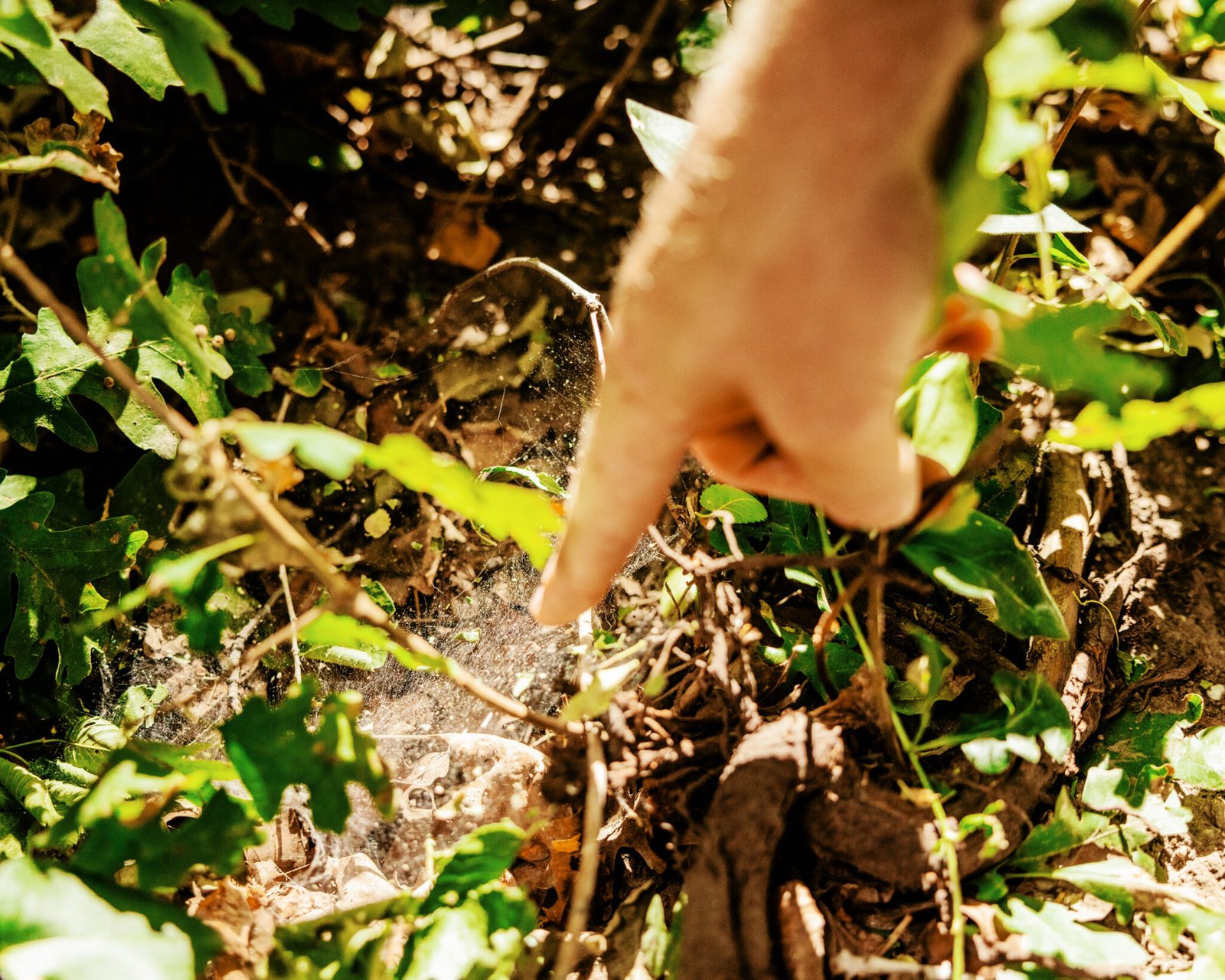
Georgia is home to a diverse array of spider species, ranging from harmless garden dwellers to a few that call for more caution. Understanding these spiders is a big part of keeping your home safe and comfortable. This guide covers 17 common spiders in Georgia, including how to identify them, where they’re typically found, and whether they pose any risk. If you’re noticing more spiders than usual, it can help to understand both the species and your options for spider control in Georgia.
Are there poisonous spiders in Georgia? Not exactly. Spiders are actually venomous, not poisonous. The difference is simple: venomous means a spider injects venom through a bite, while poisonous would mean it’s harmful to touch or eat. Georgia’s spiders are venomous at most, and only two, the brown recluse and the southern black widow, have venom strong enough to warrant real caution. This guide will help you identify those two along with the many harmless spiders you’re far more likely to see.
Finding a Spider by Color?
If you’ve spotted a spider and want a quick starting point, here’s how Georgia’s most common spiders break down by color:
- Black spiders: Most often a harmless jumping spider or cellar spider. The one to check for is the southern black widow, identified by the red hourglass on its underside.
- Brown spiders: Usually a wolf spider, huntsman, barn spider, or common house spider, all harmless. The one to know is the brown recluse (look for the violin-shaped marking), though many suspected recluse sightings turn out to be harmless look-alikes.
- Green spiders: Almost always a green lynx spider, harmless and helpful in gardens.
- Yellow or large orb-weavers: Likely a banana spider (golden silk orb-weaver), Joro spider, or yellow garden spider, all harmless despite their size.
Scroll down for the full identification details on each.
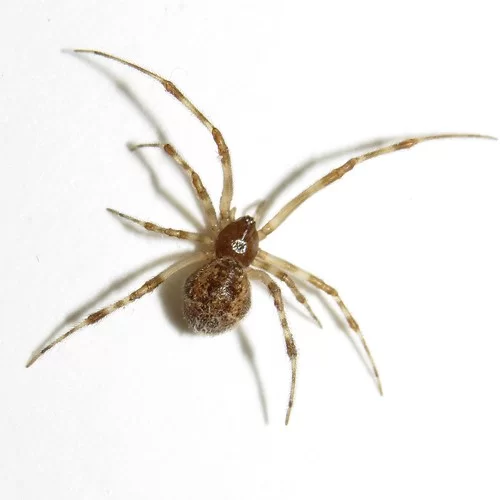
Common House Spider
- Identifying features: Small spider with a mottled brownish body and a rounded abdomen; builds irregularly shaped webs.
- Typically found: Indoors in corners, attics, and basements, especially in undisturbed areas.
- Risk and danger level: Harmless and non-aggressive, though their webs can become a nuisance.
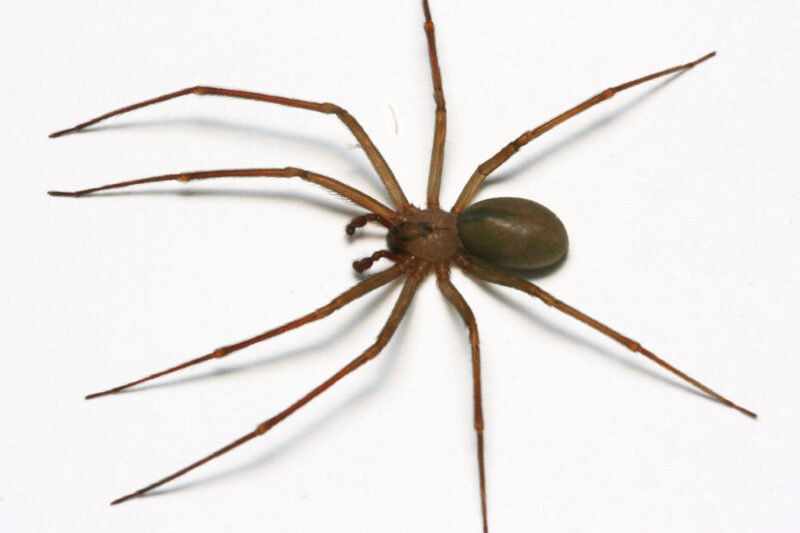
Brown Recluse
- Identifying features: Light brown with a violin-shaped marking on its back.
- Typically found: Hidden in dark, undisturbed areas like closets, basements, and under furniture.
- Risk and danger level: Highly venomous. A bite requires immediate medical attention due to the risk of severe tissue damage. That said, brown recluse sightings are often misidentified harmless look-alikes.
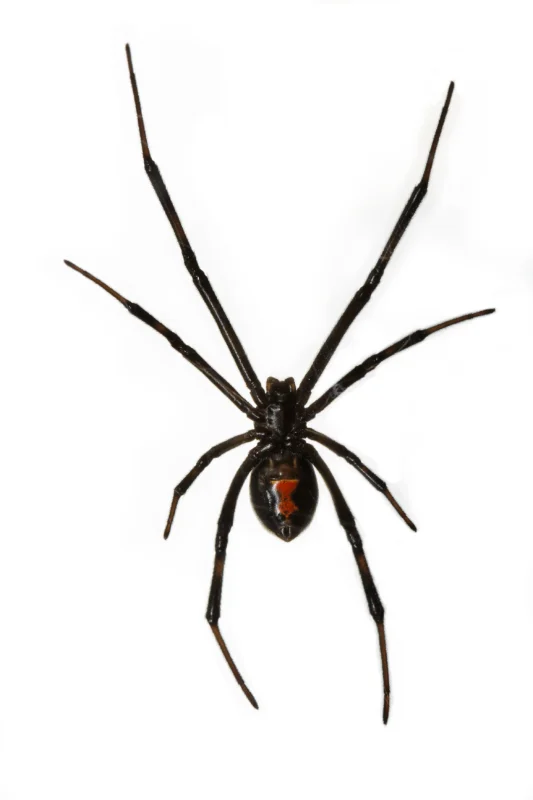
Southern Black Widow
- Identifying features: Glossy black body with a red hourglass marking on the underside of the abdomen.
- Typically found: Dark, sheltered spaces such as woodpiles, garages, and under outdoor furniture.
- Risk and danger level: Highly venomous. Bites can cause severe pain and systemic symptoms; seek medical attention right away.
For homes where venomous spiders are a concern, a targeted approach is safest. Explore your options for pest control in Georgia. If you’re seeing spiders consistently, a professional inspection can identify the root cause and address the problem at its source.
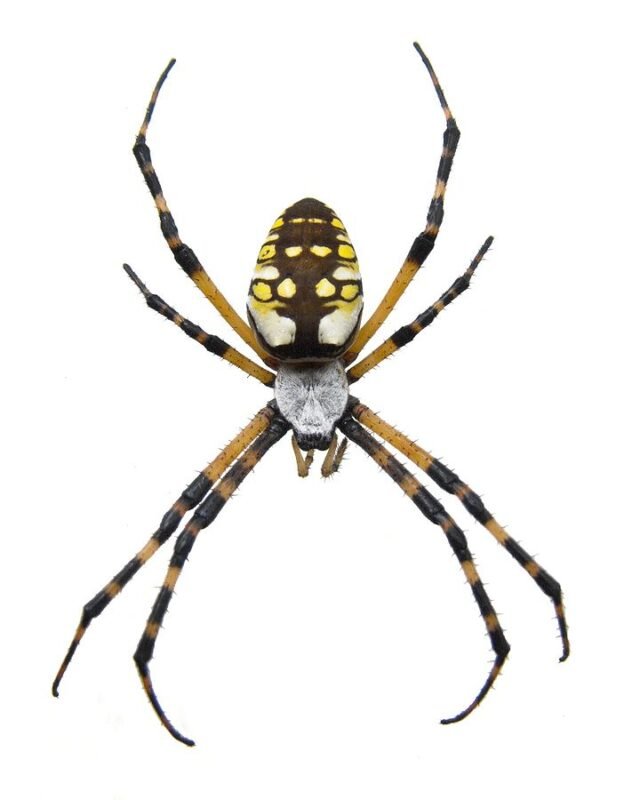
Yellow Garden Spider
- Identifying features: Large spider with a striking black-and-yellow body and long legs; builds intricate orb webs.
- Typically found: Outdoors in gardens, bushes, and tall grass.
- Risk and danger level: Harmless to humans and beneficial for pest control.
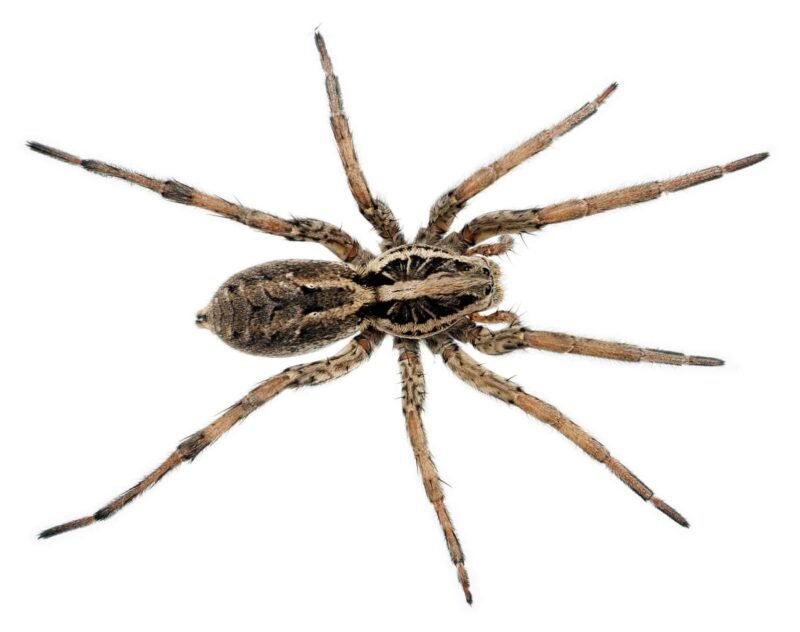
Wolf Spider
- Identifying features: Large, hairy spider with a brown or gray body and dark markings; eyes are arranged in three rows.
- Typically found: On the ground, in leaf litter, or under rocks. Occasionally found indoors.
- Risk and danger level: Non-aggressive. Bites may cause mild irritation but are not medically significant.
What is the most common spider in Georgia? The wolf spider, followed closely by the common house spider.
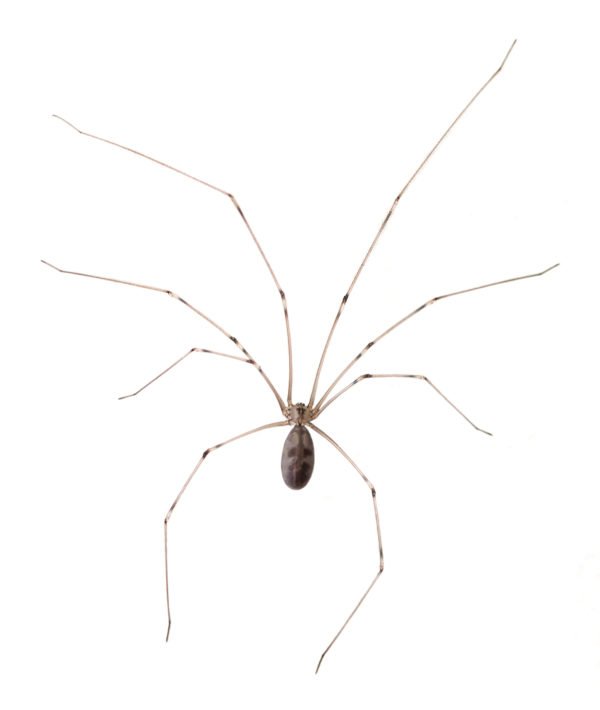
Cellar Spiders
- Identifying features: Long, thin legs and a small, delicate body; often mistaken for “daddy longlegs.”
- Typically found: Damp areas such as basements, cellars, and bathrooms.
- Risk and danger level: Harmless and non-venomous.
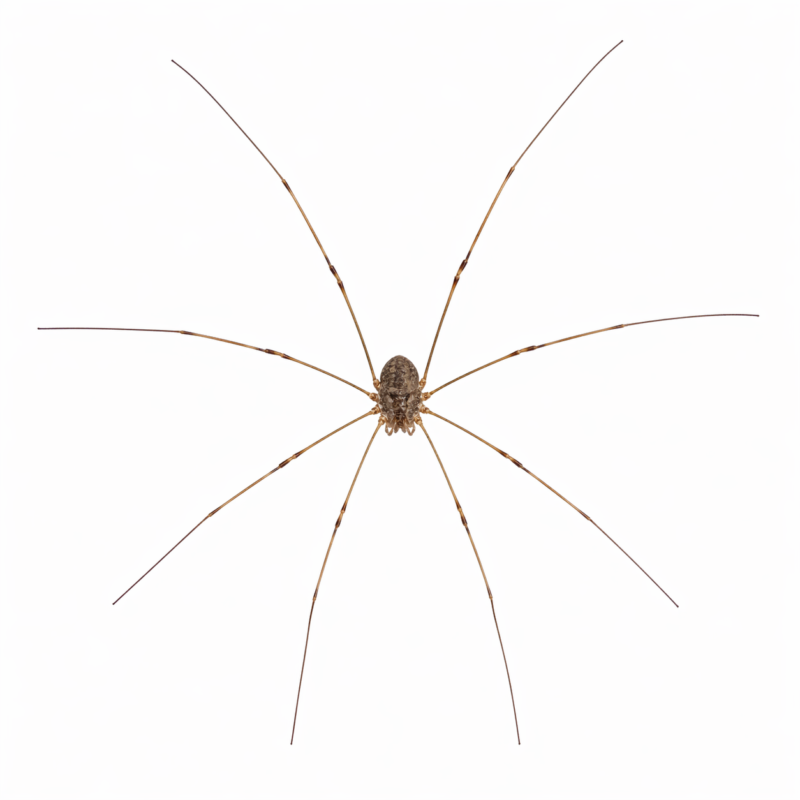
Daddy Longlegs
- Identifying features: Extremely long legs with a small, rounded body. Unlike true spiders, they have a single fused body segment and do not produce silk.
- Typically found: Outdoors in gardens and under logs, or indoors in quiet corners.
- Risk and danger level: Harmless to humans. Despite the common myth, daddy longlegs are not dangerous to people.
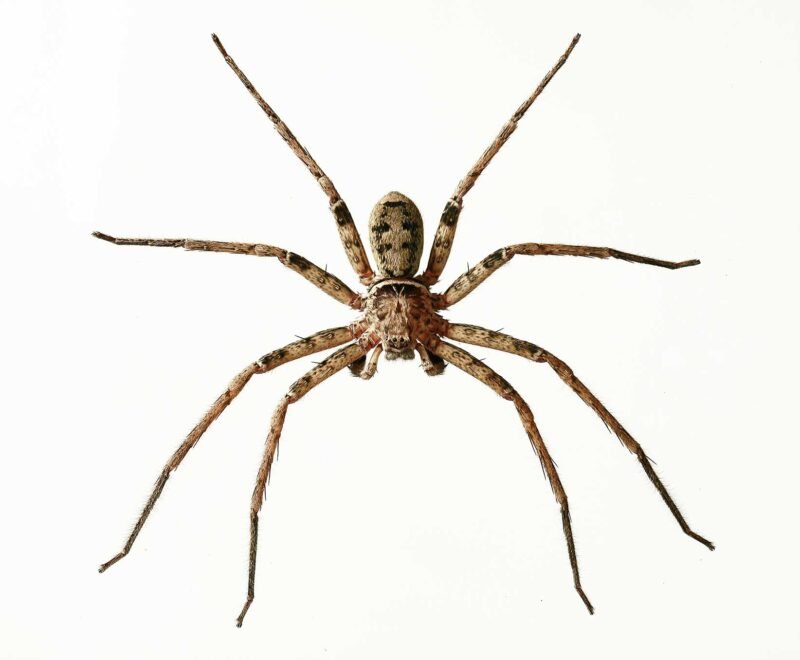
Huntsman Spider
- Identifying features: Large spider with a flat body and long legs; typically gray or brown with dark patterns. One of the biggest spiders you’ll encounter in Georgia by leg span.
- Typically found: Under bark, in woodpiles, or occasionally indoors.
- Risk and danger level: Non-aggressive. Bites may cause mild irritation but are not serious.
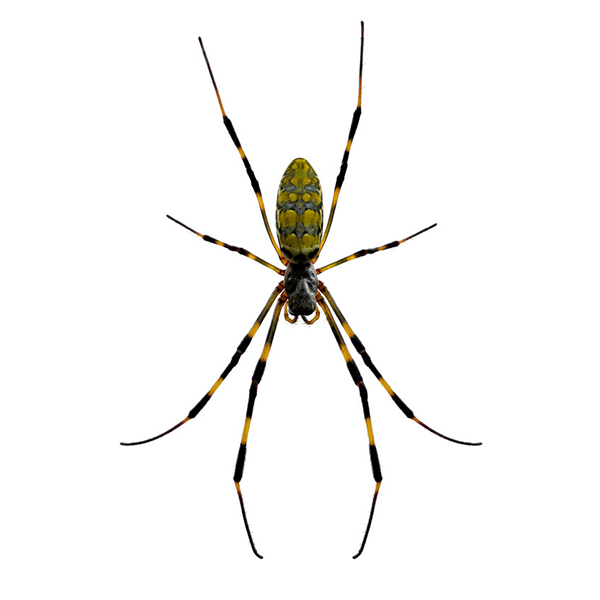
Joro Spider
- Identifying features: Bright yellow body with blue and red markings and long striped legs. Large and hard to miss.
- Typically found: Outdoors in trees, bushes, and on building eaves.
- Risk and danger level: Harmless to humans, though it’s an invasive species in Georgia.
How dangerous is a Joro spider? Not dangerous to humans, though its size and bright color can be alarming.
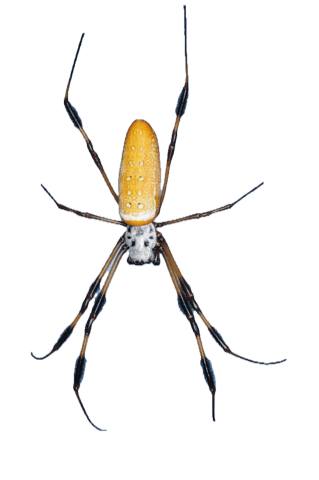
Banana Spider (Golden Silk Orb-Weaver)
- Identifying features: Large spider with a yellow-and-brown body, long legs often marked with feathery tufts, and a striking golden-hued web. Females are impressively big; males are much smaller. Often confused with the Joro spider above, since both are large yellow orb-weavers and both get called “banana spiders.”
- Typically found: Outdoors in wooded areas, gardens, and between trees or shrubs, frequently at eye level.
- Risk and danger level: Harmless to humans and beneficial for controlling insects. Bites are rare and typically no worse than a bee sting.

Brown Widow
- Identifying features: Light brown body with an orange or yellow hourglass marking on the underside of the abdomen.
- Typically found: Sheltered areas like garages, outdoor furniture, and under eaves.
- Risk and danger level: Venomous, but less so than the black widow. Bites rarely require medical attention.
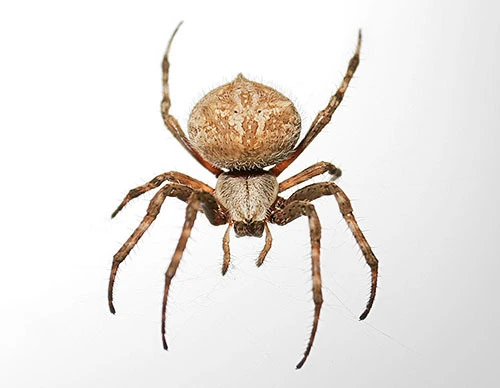
Orb Weaver
- Identifying features: Round abdomen with vibrant patterns; builds large, circular webs, often rebuilt nightly.
- Typically found: Gardens, forests, and near light sources.
- Risk and danger level: Harmless and beneficial for controlling insects.
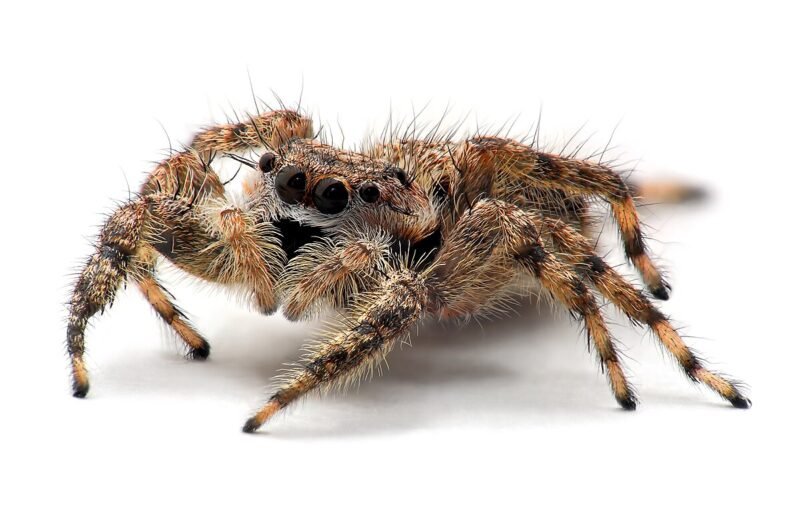
Jumping Spider
- Identifying features: Compact body, short legs, and large forward-facing eyes; often brightly colored.
- Typically found: On walls, plants, and windowsills, both indoors and outdoors.
- Risk and danger level: Harmless and non-aggressive; curious by nature.

Trapdoor Spider
- Identifying features: Stocky, dark brown body with short legs; creates camouflaged burrows.
- Typically found: Underground in forests or undisturbed soil.
- Risk and danger level: Non-aggressive and rarely encountered. Bites are mildly irritating.
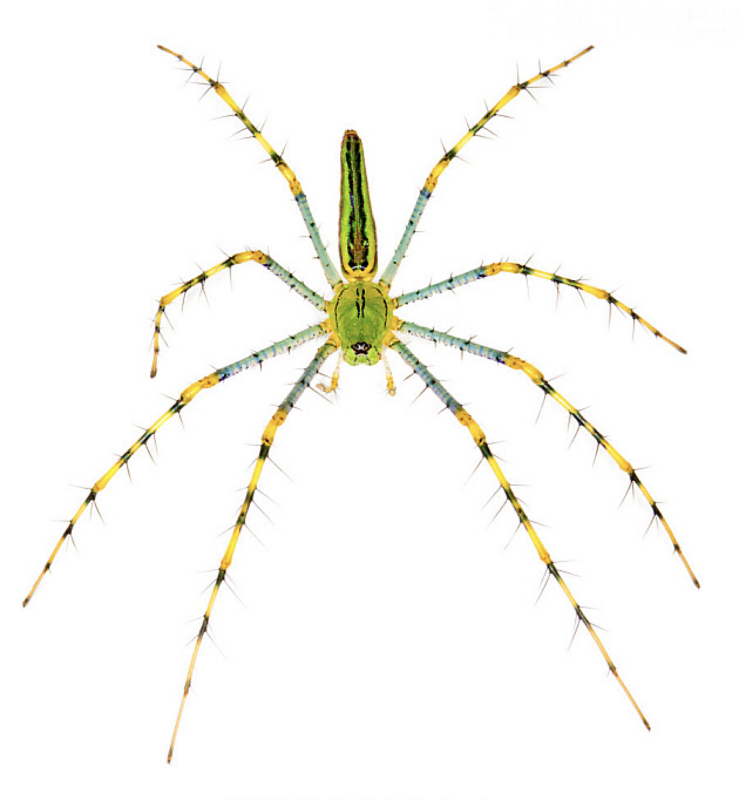
Green Lynx Spider
- Identifying features: Bright green body with long legs and red spots near the eyes. Georgia’s most commonly seen green spider.
- Typically found: In gardens and shrubs, often camouflaged among vegetation.
- Risk and danger level: Harmless to humans and useful for controlling garden pests.
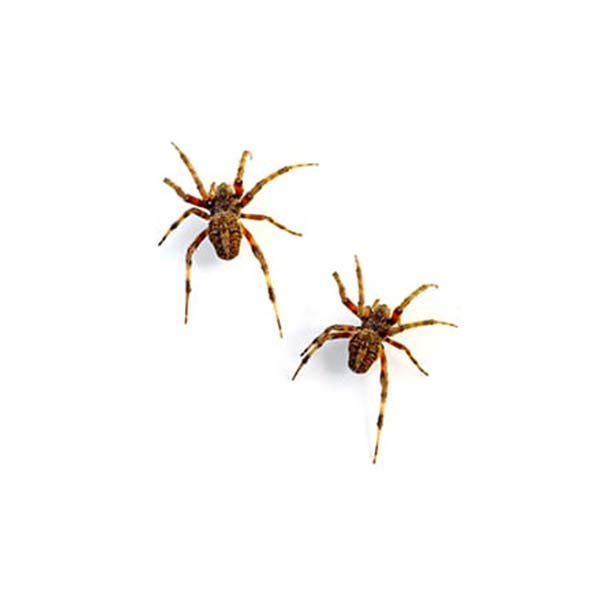
Barn Spiders
- Identifying features: Medium-sized, brown spider with a round abdomen and striped legs.
- Typically found: In barns, sheds, and other outdoor structures; builds orb webs.
- Risk and danger level: Harmless and non-aggressive; helps control insect populations.
When Should You Be Concerned About Spiders?
While most spiders are harmless, certain signs suggest it’s worth taking action:
- Frequent spider sightings in multiple rooms
- Increasing spider webs or cobweb buildup
- Presence of egg sacs or baby spiders
- Encounters with venomous species like the brown recluse or black widow
- Increased insect activity, which draws spiders in
If you’re seeing these signs, it may point to a larger pest issue, since spiders usually follow their food. Our guide on the signs of a spider infestation breaks down what to look for. In these cases, it’s best to work with a local team that understands spider behavior in your area. Learn more about spider control in Georgia.
Related Georgia Pest Guides
Spiders are just one part of Georgia’s pest picture. For more on what you might run into around your home and yard, see our guides to common Georgia pests, hornets in Georgia, and wasps in Georgia. Not in Georgia? We also cover spiders in Florida, spiders in Michigan, and more.
Pest Control That’s as Safe as It Is Effective
Most spiders are harmless, but a couple, like the brown recluse and black widow, are worth handling with caution. Whether you’re dealing with the occasional nuisance spider or a species you’d rather not risk, Mira Home offers safe, effective spider control tailored to your home. Our approach keeps your family’s safety front and center while reducing spider activity and the pest pressure that draws them in.
Ready to feel more at ease in your own space? Contact us today for a free quote, and we’ll help you take it from there.
