Article

Cockroach Control: How to Get on Top of an Infestation and Keep Them Out

Jun 23, 2026
~9 min read
Go to Blog Index

Key Takeaways

  • Cockroaches multiply fast and hide in places sprays never reach, which is why a quick fix rarely holds.
  • Effective cockroach control works in layers: cutting off food and water, sealing entry points, and treating where they actually live.
  • Store-bought sprays knock down the roaches you see but miss the nest, so the problem keeps coming back.
  • Roaches are a health concern, not just a nuisance. They spread bacteria and can trigger asthma and allergies, especially in kids.
  • A professional plan gets on top of an active infestation faster and keeps steady pressure on the ones you never see.

You flip on the kitchen light at night and something darts behind the stove. If you’ve spotted one cockroach, there are almost always more nearby. Roaches are one of the hardest household pests to manage, and not because any single one is tough to kill. It comes down to how fast they breed and how well they hide. Good cockroach control is less about chasing the ones in plain sight and more about reaching the ones you can’t.

That’s also why a can of spray under the sink usually isn’t enough. The roaches on your counter are a small fraction of the population. The rest are tucked into wall voids, behind appliances, and inside cabinets, breeding on a schedule that easily outpaces whatever you spray. If you’re already seeing them in daylight, the colony is established, and it’s worth having a pro take a look. You can get a free quote and have someone assess what you’re dealing with before it spreads further.

Why are cockroaches so hard to control?

A single female German cockroach and her offspring can produce hundreds of new roaches in a year. They reach adulthood quickly, they hide during the day, and they only need crumbs, grease film, and a little moisture to thrive. That combination is what makes them so stubborn.

They’re also built to avoid you. Roaches are nocturnal and squeeze into gaps the width of a coin, which is why you rarely see the bulk of an infestation. Spotting them out in the open during the day is usually a sign the population has grown enough that they’re competing for space and food. If you’re noticing other signs too, our guide on the signs of a cockroach infestation walks through what to watch for.

It helps to know which species you have, since habits differ between, say, German and American cockroaches. Our breakdown of common cockroach types and the cockroach pest library page cover the differences and where each tends to hide.

What does effective cockroach control actually involve?

Real control isn’t one action. It’s a few layers working together, and skipping any one of them is usually why an infestation lingers.

Cut off food and water. Roaches can survive a long time on very little, so the goal is to make your home as uninviting as possible. Wipe down grease, store food in sealed containers, take out the trash regularly, and fix slow leaks under sinks. Moisture is often the bigger draw than food.

Seal the entry points. Roaches travel through gaps around pipes, baseboards, and doorways. Sealing those cracks won’t solve an active infestation on its own, but it slows new ones from moving in and keeps the population you’re treating from being constantly refilled.

Treat where they actually live. This is the piece DIY usually misses. Surface spraying hits the open areas roaches avoid. Reaching the harvestage points behind appliances and inside wall voids takes targeted products placed where the colony nests. If you want to understand where they hide, our guide on finding cockroach nests at home is a good starting point.

Done together, these layers don’t just reduce the roaches you see. They get on top of the population producing them.

Why store-bought sprays and home remedies fall short

It’s worth being straight about this. Sprays, bait stations, and home remedies aren’t useless, and most people reach for them first, which makes sense. The issue is what they can and can’t do.

A retail spray kills roaches on contact, so you’ll see results in the moment. But it doesn’t reach the nest, and it doesn’t touch the eggs, which are protected inside a casing that most sprays can’t penetrate. So the visible roaches drop, the hidden ones keep breeding, and a week or two later you’re back where you started. Home remedies like essential oils tend to repel a few roaches from one spot rather than reduce the population at all.

Think of these as a stopgap, not a fix. They can buy you a little breathing room, but with a pest that breeds this fast, the gap between “fewer roaches” and “actually controlled” is wide. If you want the fast-action context, our post on how to get rid of cockroaches covers the immediate steps. For anything beyond a stray sighting, professional treatment is what holds.

What professional cockroach control looks like

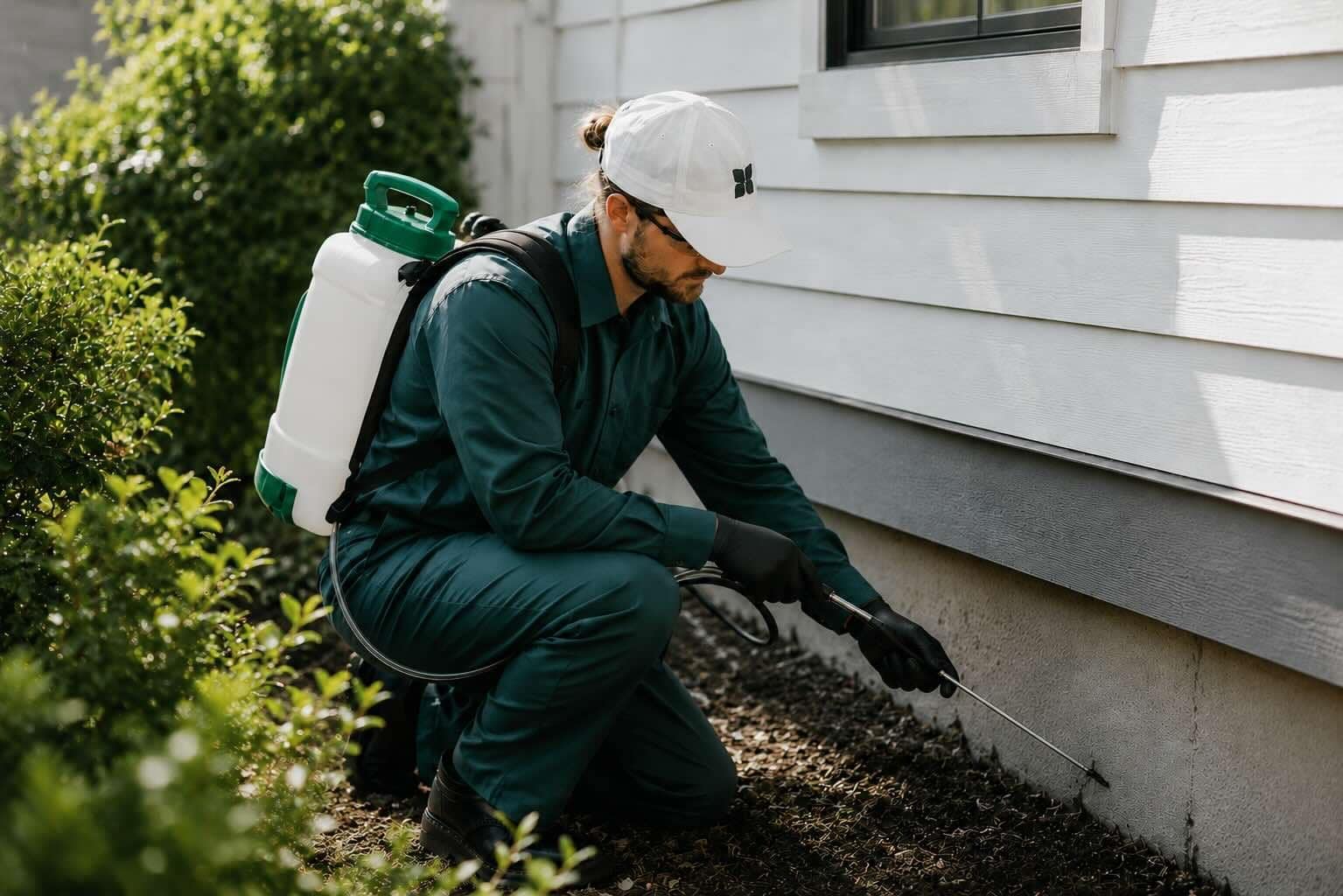
A pro starts by finding the source rather than chasing symptoms. That means locating where roaches are nesting and how they’re getting in, then placing treatments at those points instead of across open surfaces.

The treatments used are designed to be carried back to the nest, so they reach the roaches you’d never find on your own, including the next generation. They’re also safe for kids and pets when applied as directed, which matters in a kitchen or a home with little ones. If that’s a concern, our note on bringing a baby home after pest control explains the timing.

Because roaches can re-enter and rebuild, control is usually an ongoing rhythm rather than a one-time visit. Our how it works page lays out the process, and if you’re wondering about cadence, how often pest control should be done covers what a sustainable schedule looks like.

How long does cockroach control take?

For an established infestation, expect a few weeks of steady progress rather than an overnight change. The first treatment knocks down the active population, and follow-up keeps pressure on the eggs as they hatch, since no single treatment reaches an egg casing that hasn’t opened yet.

You’ll typically notice a real drop within the first couple of weeks, with continued improvement as treatments cycle through the hatching generations. Treatment longevity matters here too, which our post on how long pest control spray lasts explains. The honest framing: the goal is to get on top of the problem and keep them out, not to promise a roach will never wander in again.

When to Call a Professional

A single roach that hitchhiked in on a grocery bag isn’t an emergency. But there are clear moments where DIY has run its course and it’s worth bringing in a pro:

  • You’re seeing roaches during the day. Daytime activity usually means the population has outgrown its hiding spots.
  • They keep coming back after you spray. That’s the signature of a nest the spray isn’t reaching.
  • You’re finding them in more than one room. Spread suggests an established colony, not a one-off.
  • There’s a health concern at home. Roaches trigger asthma and allergies and can spread bacteria across kitchen surfaces, so they’re worth taking seriously when kids, older adults, or anyone immunocompromised is in the house.

If any of those sound familiar, schedule a consultation and let someone treat the source instead of the symptoms.

Frequently Asked Questions

Why do I still see roaches after spraying? Because sprays hit the roaches in the open, not the nest. The hidden population keeps breeding, and the eggs are protected from most contact sprays, so the ones you see get replaced. Reaching the source is what actually reduces the numbers.

Does a clean house mean I won’t get roaches? Cleanliness helps a lot by removing food and moisture, but it isn’t a guarantee. Roaches can come in through gaps around pipes and doors or hitch a ride in boxes and bags, then settle wherever they find a little warmth and water.

Are cockroaches actually dangerous? They’re more than a nuisance. Roaches can carry bacteria onto food surfaces and their droppings and shed skin are common asthma and allergy triggers, particularly for children. That health angle is the main reason to treat an infestation promptly.

How do I know how serious my infestation is? Daytime sightings, roaches in multiple rooms, droppings, or a musty odor all point to an established population. Our guide on the signs of a cockroach infestation helps you gauge where you stand.

Is professional treatment safe around kids and pets? Yes, when applied as directed. A pro places treatments where roaches travel rather than across open living areas, and can walk you through any short wait time before the room is back in normal use.


Contact Us

A Peaceful Home is Just Around the Corner

Get Started Now

Let us handle pests so you can focus on what matters.

Get 15% off your initial service today

    By clicking "Get My Quote," I give my electronic signature and consent that Mira may contact me via SMS, phone call, or automated voice call. I understand message and data rates apply. You can opt out by responding STOP at any time. For more information, please review our Privacy Policy and SMS Terms.

    This site is protected by reCAPTCHA and the Google Privacy Policy and Terms of Service apply.

    Sign up to our mailing list