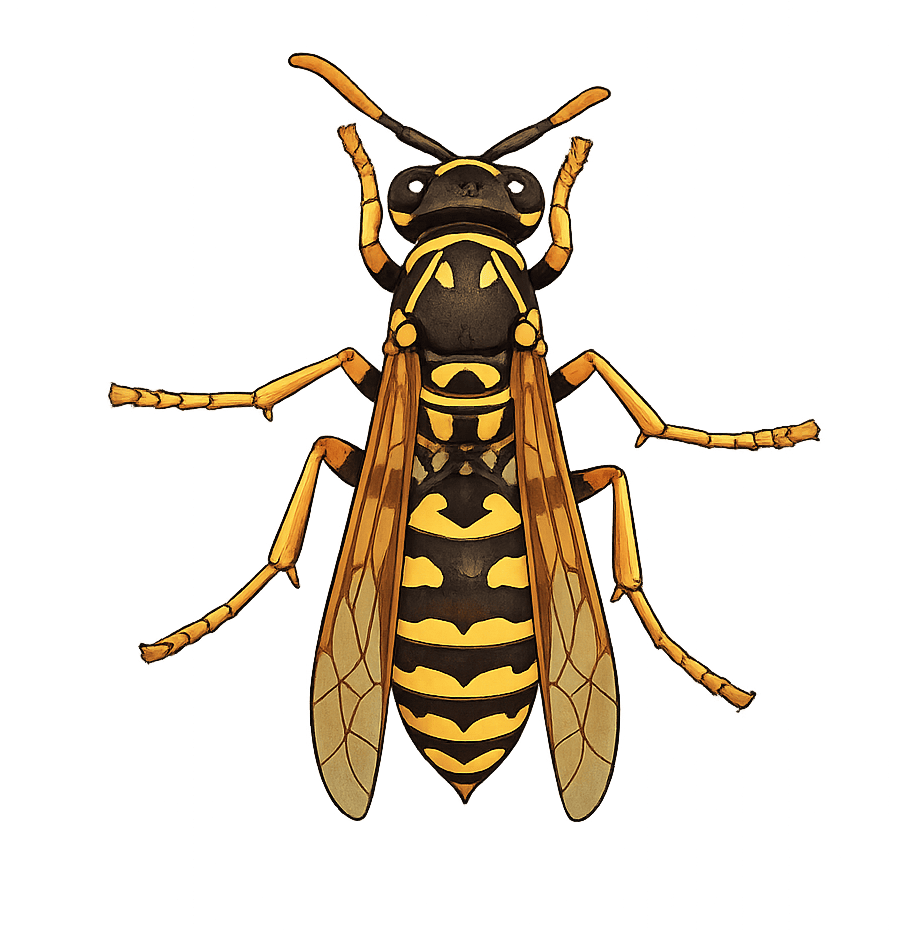
Wasps, Hornets & Yellowjackets

Facts, Behaviors, and Tips

Wasps, hornets, and yellowjackets are among the few household pests that are a genuine safety concern. They sting repeatedly, and a nest near a doorway or in the ground can turn a yard into a hazard. This guide covers how to tell them apart (including from bees), where they nest, and when a nest needs professional removal.

sketch of a paper wasp
ORDER BLATTODEA

How to Tell Wasps, Hornets, and Bees Apart

Quick identification:

  • Wasps: smooth, slender body, narrow “waist,” legs often dangling in flight, not fuzzy
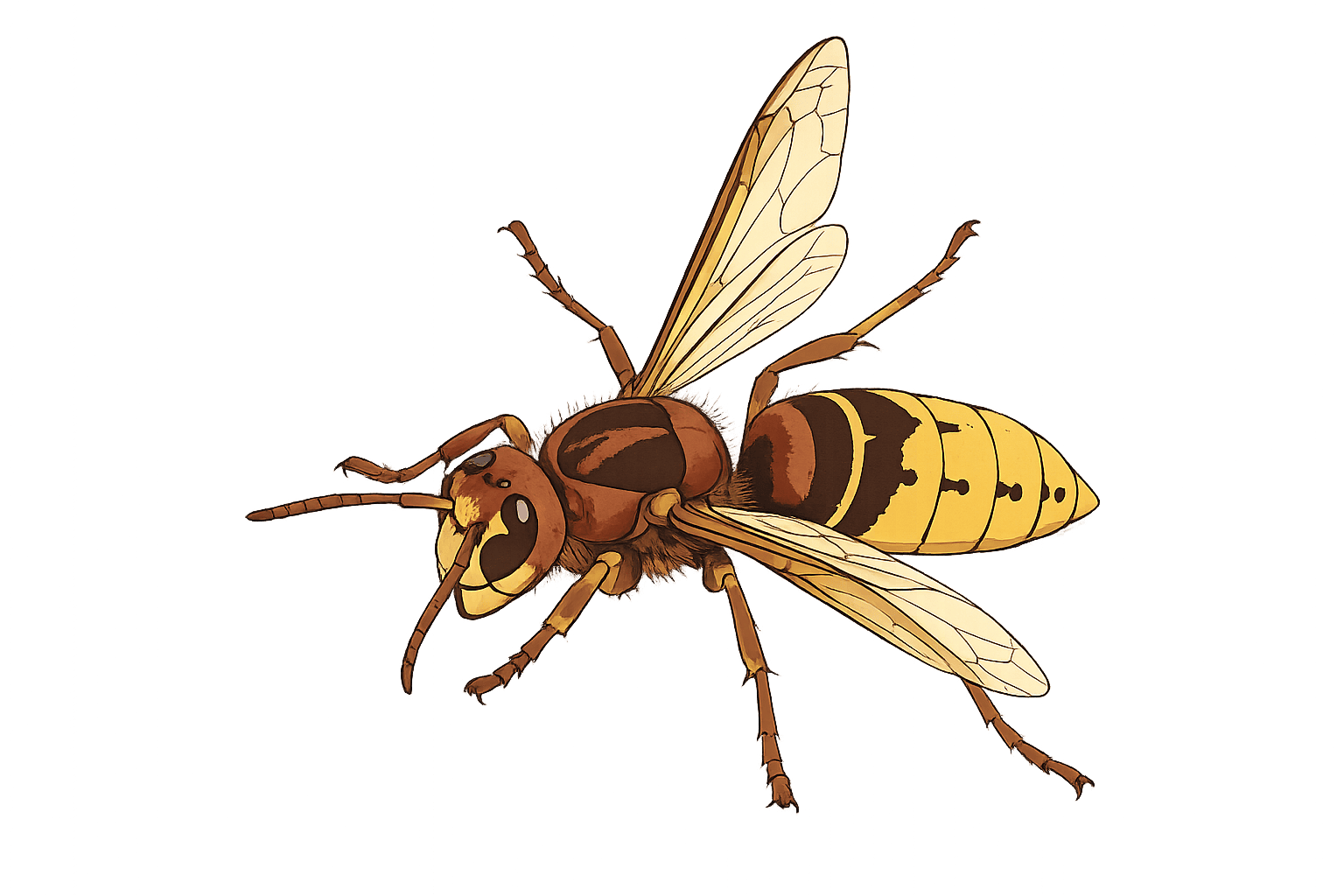
  • Hornets: larger, bulkier wasps (a hornet is a type of wasp)
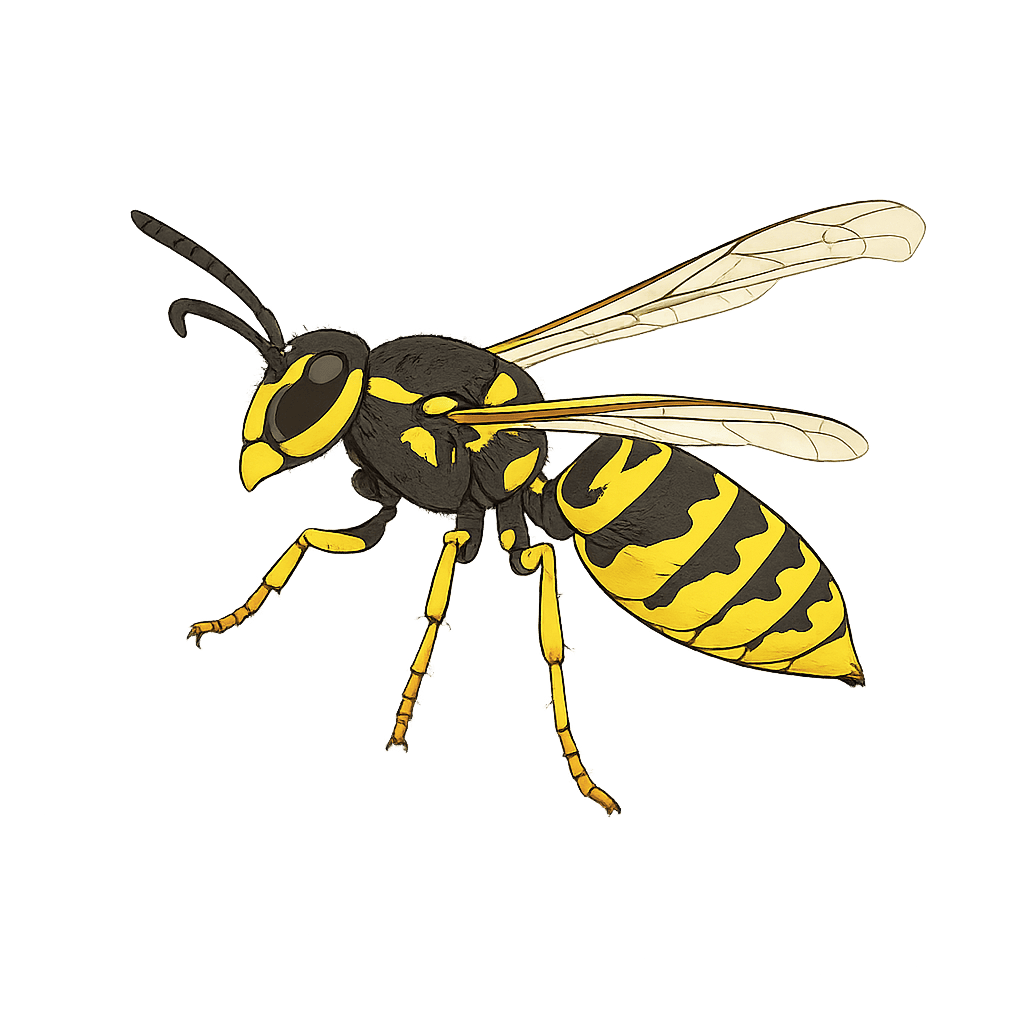
  • Yellowjackets: smaller, fast, boldly black-and-yellow; ground or cavity nesters; the most common stinging culprit
  • Bees: fuzzy, rounder, carry pollen, and have wide hind legs


A note on honeybees: honeybees are protected pollinators, and Mira does not treat or remove honeybees. If what you have is a honeybee colony, we’ll gladly point you toward a local beekeeper or relocation service. Mira treats wasps, hornets, and yellowjackets — not honeybees.

Types of Stinging Wasps

A handful of species cause nearly all the problems homeowners face and the type matters. A ground yellowjacket nest is a very different job from a paper wasp nest under an eave.

sketch of a hornet

Hornet

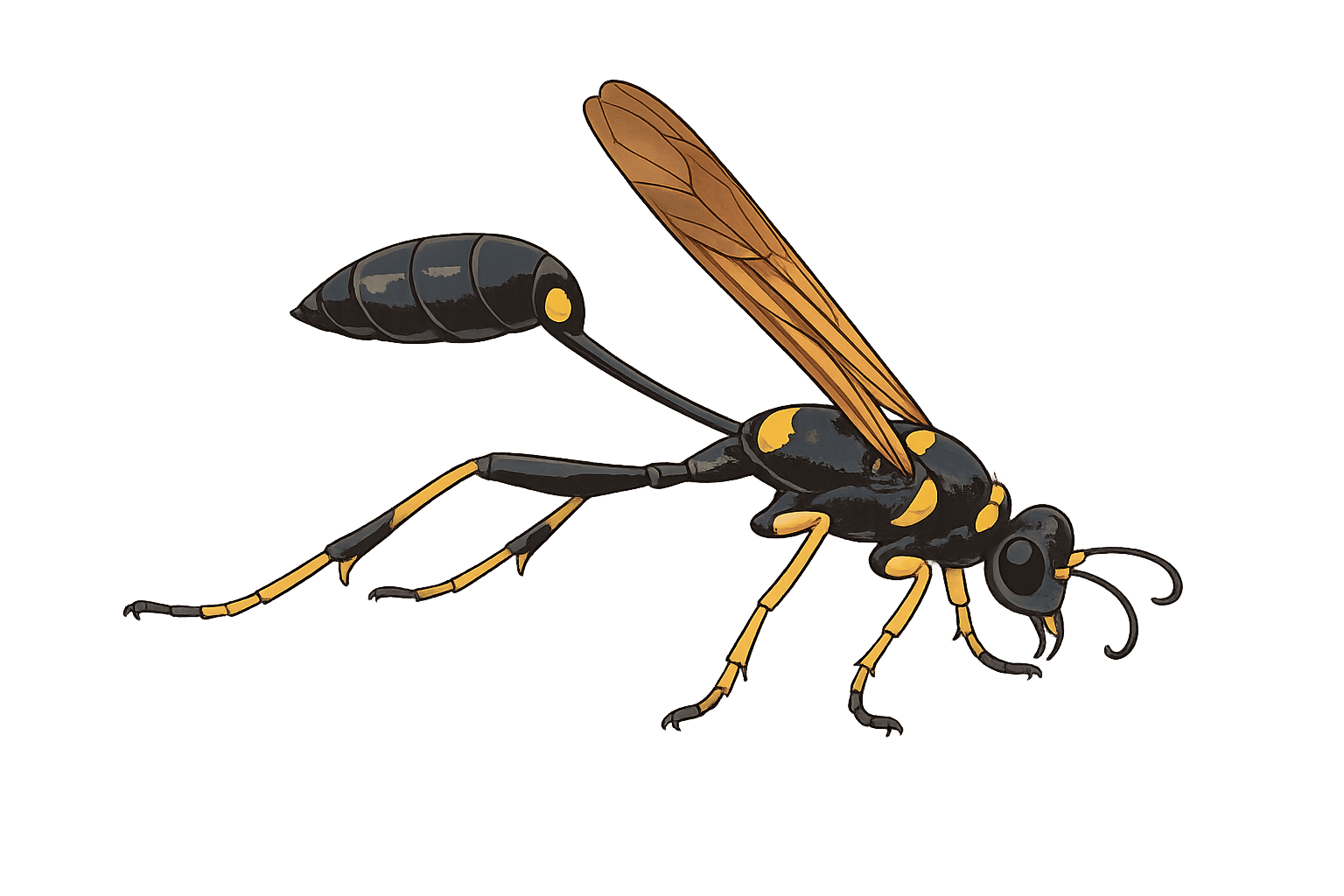
sketch of a mud dauber

Mud Dauber

sketch of a paper wasp

Paper Wasp

sketch of a yellowjacket

Yellowjacket

Wasp Nests: Where They Form and When to Act

Where the nest is determines both the danger and the approach. Paper wasps build open, umbrella nests under eaves and decks. Hornets build large enclosed aerial nests. Yellowjackets are the tricky ones; they nest in the ground, in wall voids, and in cavities, often invisible until the colony is large and defensive. Nests grow through the season and become most dangerous in late summer and fall when populations peak.

Disturbing an active nest, especially a ground yellowjacket nest, is how most multiple-sting incidents happen. Locating the nest and timing treatment correctly is the core of safe wasp control.

Are Wasps Dangerous?

For most people a single wasp sting is painful but not serious. The real concerns are two: wasps can sting repeatedly (unlike honeybees, which sting once), so a disturbed nest can mean many stings fast; and a meaningful share of people are allergic, for whom stings can be a medical emergency. This is why an active nest near a doorway, walkway, or play area is treated as a safety issue, not a nuisance.

Wasp Treatment

How Wasps Are Controlled

Wasp control centers on the nest: locating it, treating or removing it safely, and timing the work to lower-activity periods (often evening) to reduce sting risk. Active nests, particularly concealed ground or wall-void yellowjacket nests, are genuinely hazardous to handle without proper equipment and experience, which is why nest removal is the part homeowners most often shouldn’t DIY.

Cockroach FAQs

What's the difference between wasps and bees?

Wasps and bees have a number of key differences. Wasps are slender and smooth and will sting you repeatedly. Bees are round and fuzzy and will only sting once.

Are wasps more aggressive than bees?

Yes, especially when defending a nest. Wasps are natural predators and have a territorial instinct. Bees are focused on collecting pollen and will typically sting as a last resort.

Where do wasps build nests?

Wasps typically build nests in eaves, voids, and in the ground (yellowjackets). Where they build depends on the type.

When are wasps most active?

Wasps are most active in the late summer/early fall. By this time, nest populations peak and natural food sources dwindle, leaving workers to scavenge and hunt for their food.

Ready for a Peaceful, Pest-Free Home?

Schedule Consultation
Get 15% off your initial service today

    By clicking "Get My Quote," I give my electronic signature and consent that Mira may contact me via SMS, phone call, or automated voice call. I understand message and data rates apply. You can opt out by responding STOP at any time. For more information, please review our Privacy Policy and SMS Terms.

    This site is protected by reCAPTCHA and the Google Privacy Policy and Terms of Service apply.

    Sign up to our mailing list