

What Do Ants Look Like?
Ants share a recognizable structure across species:
- Three body segments with a narrow “waist”
- Elbowed antennae (a key tell vs. termites, which have straight antennae)
- Six legs
- Colors from light brown to black or reddish
Ants are the pest homeowners run into most, and if you’re seeing a few on the counter, there’s usually a colony nearby rather than a lone wanderer. The good news is that not every ant is the same kind of problem. Some are simply a nuisance, others can sting, and knowing which one you’re dealing with makes all the difference. Below, you’ll find how to recognize the most common types, why they tend to come inside, and what each one means for your home, so you know exactly what you’re looking at.
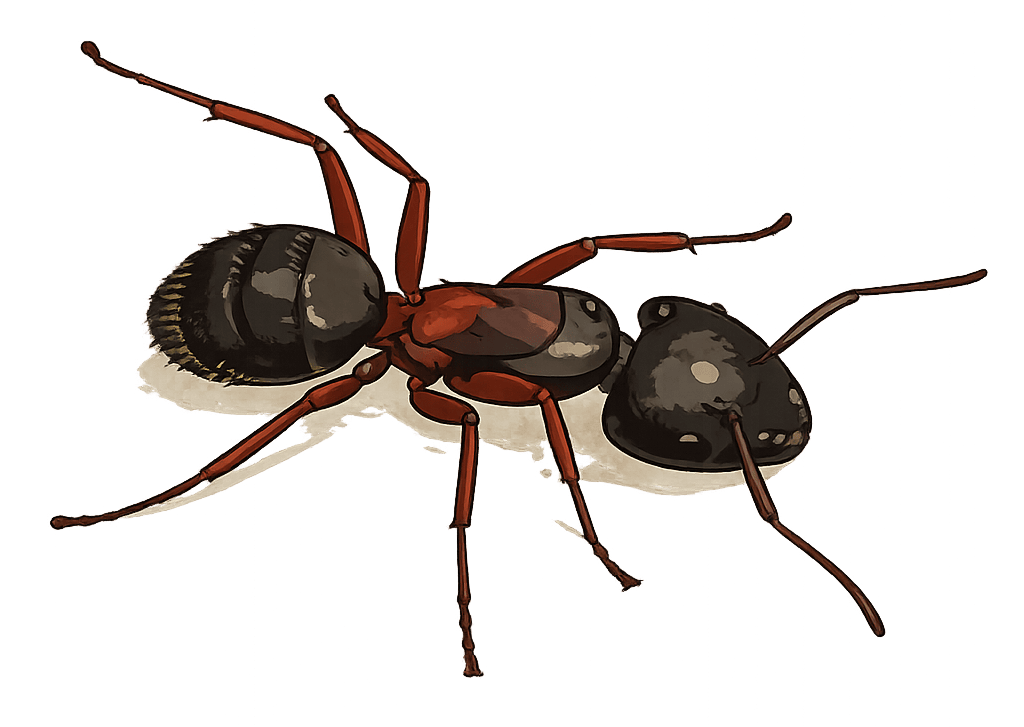
Ants share a recognizable structure across species:
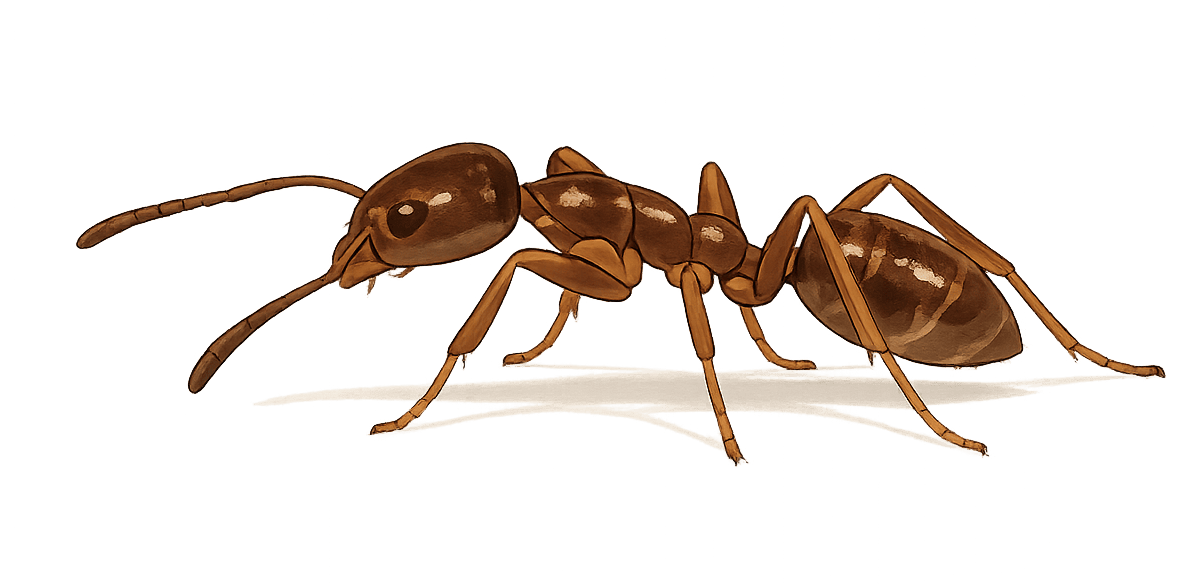
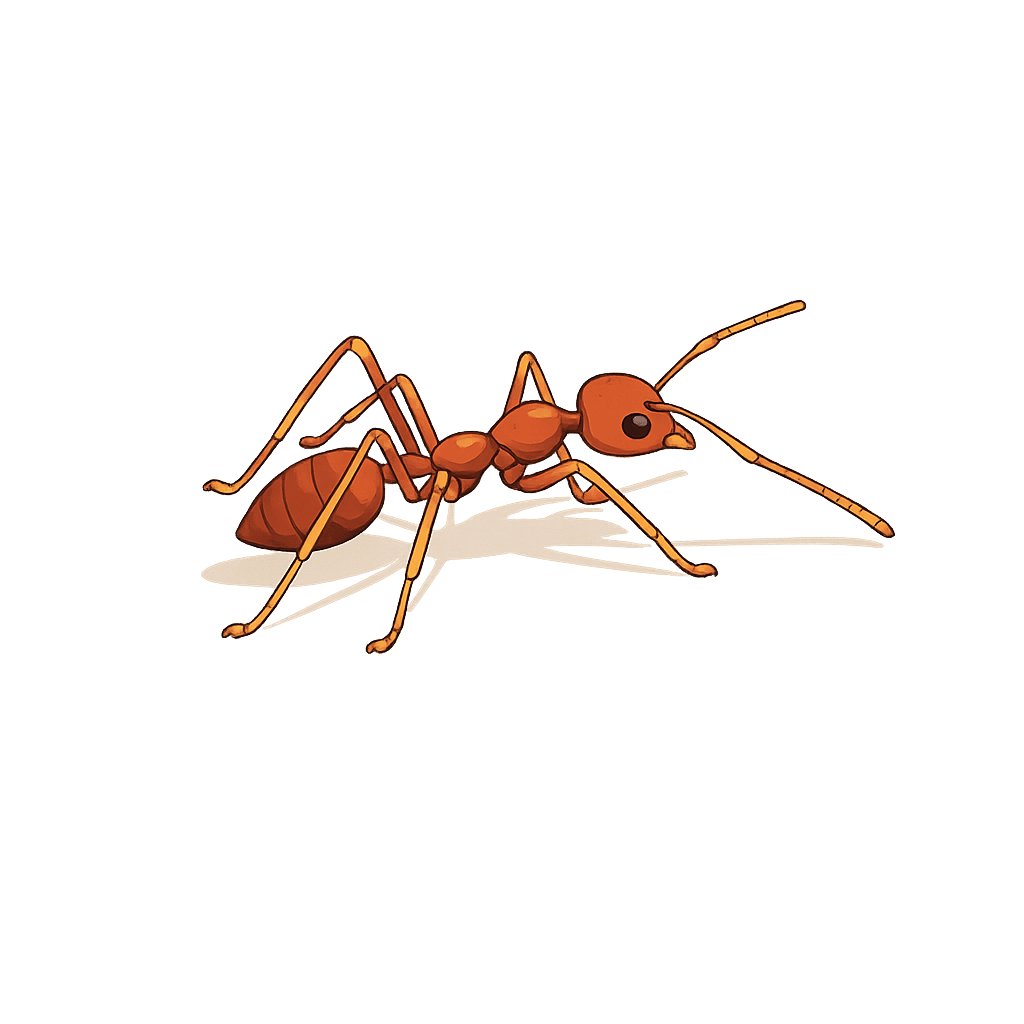
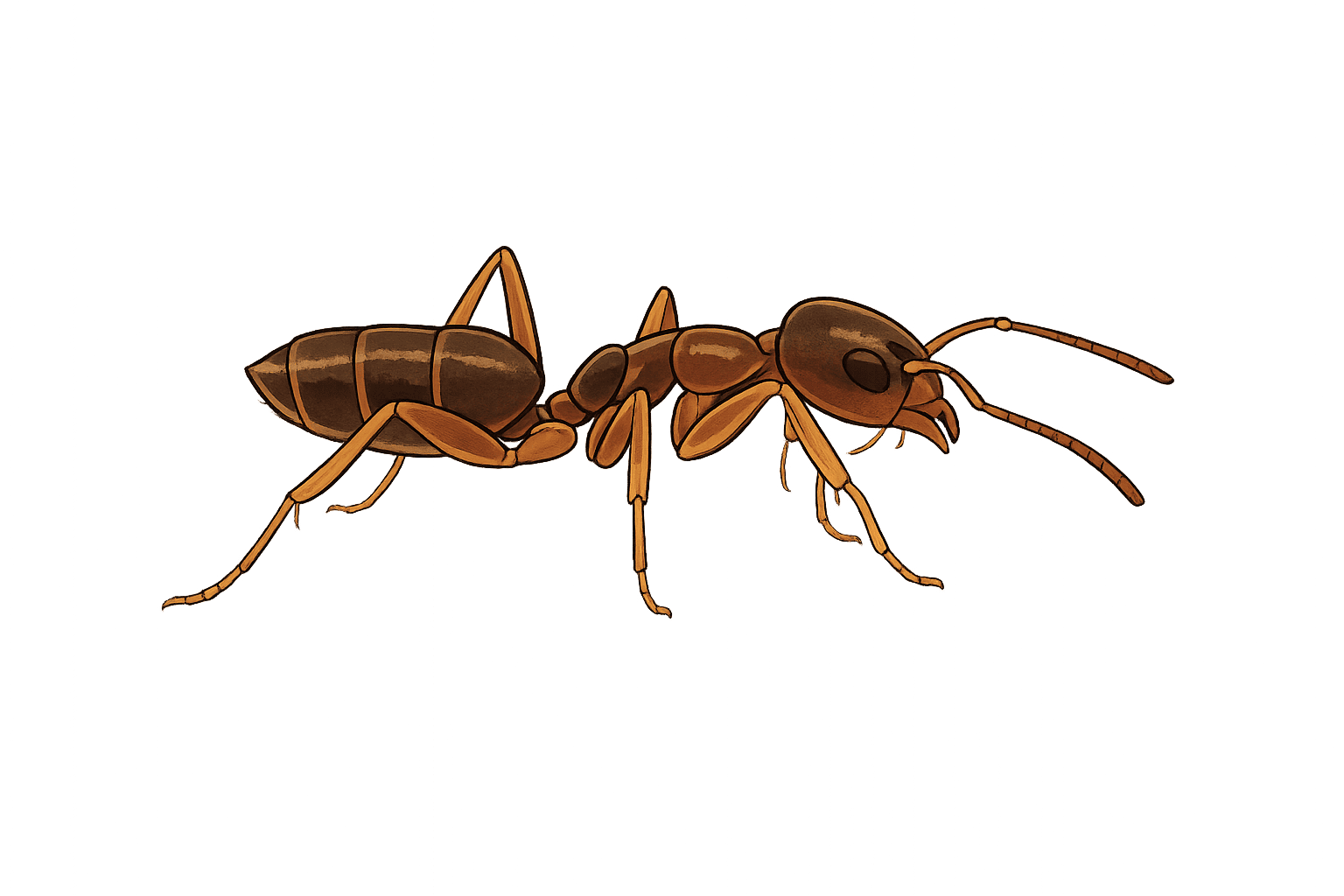
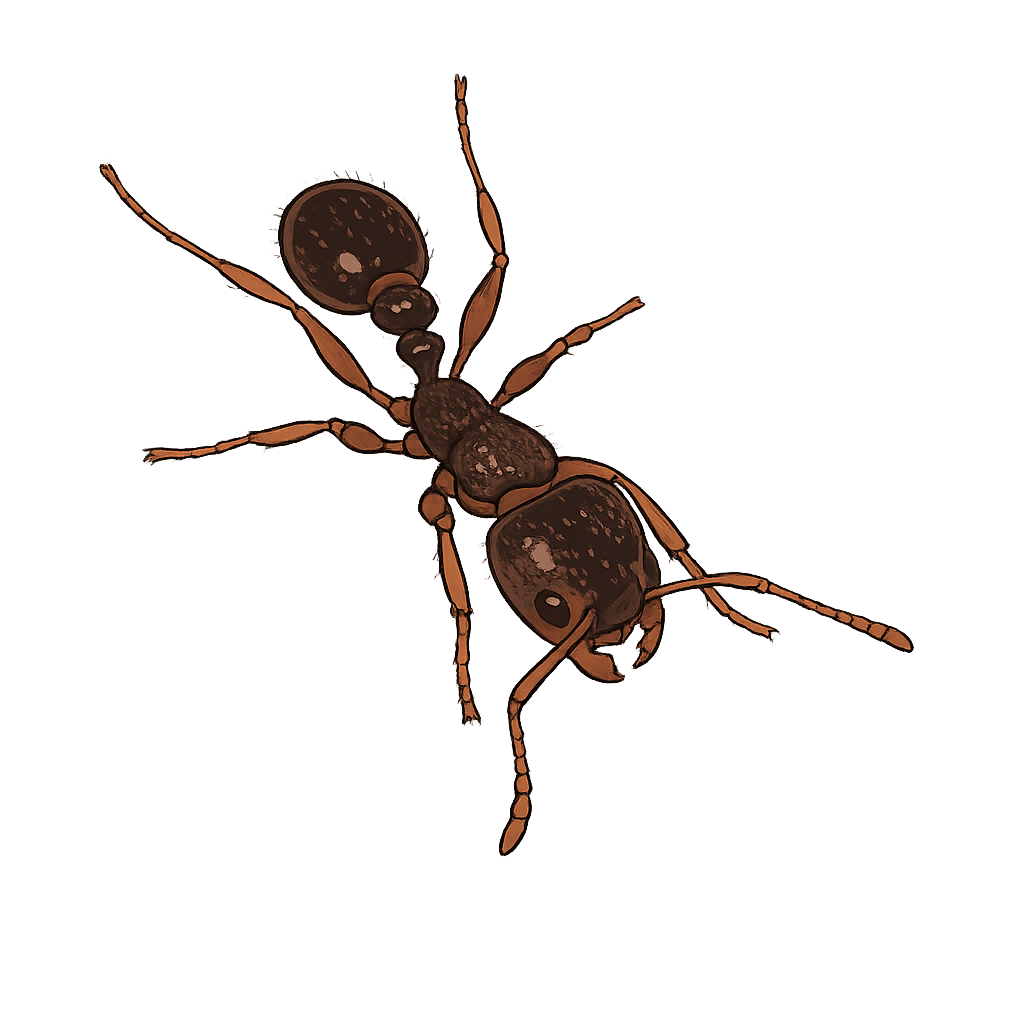
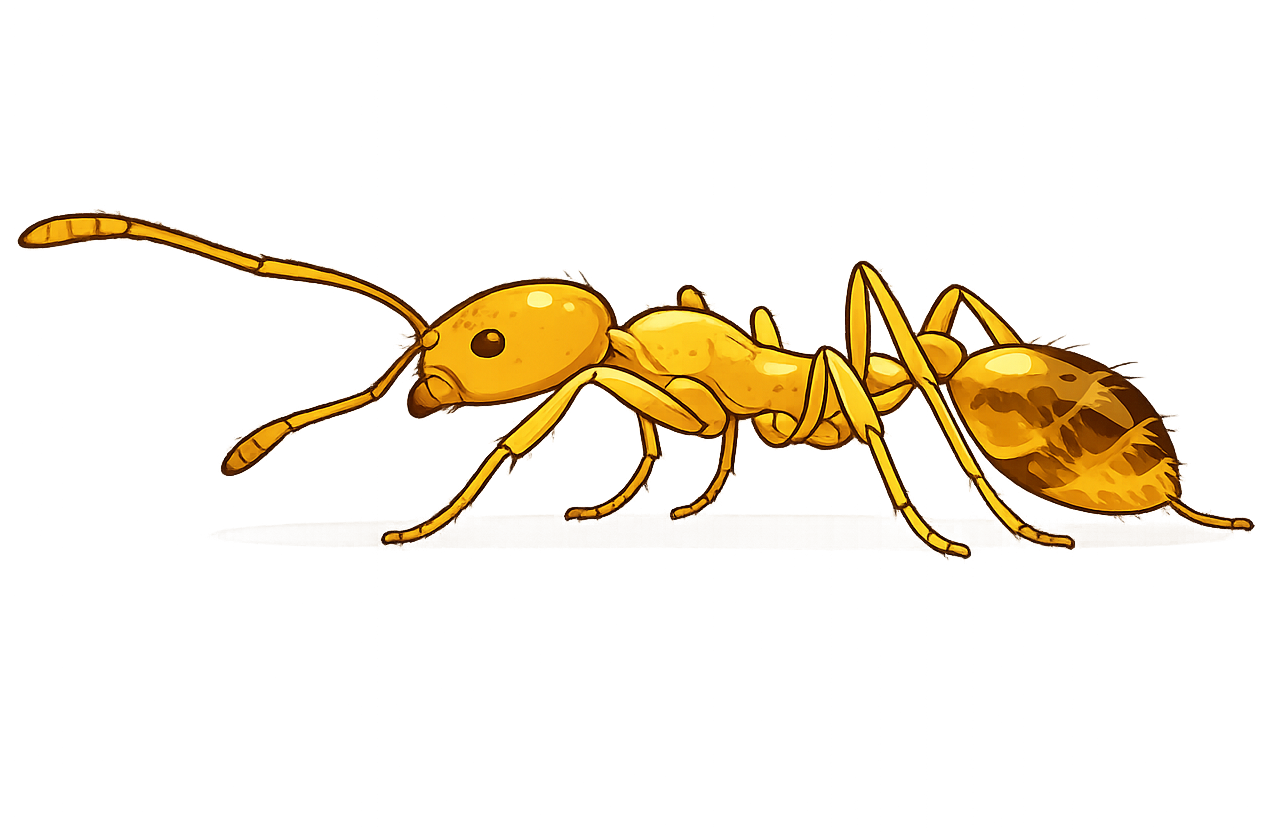
Ants are social insects. The ones you see are foraging workers following chemical trails back to a hidden nest found in soil near the foundation, under concrete, inside wood, or in wall voids. Visible ants are a small fraction of the colony, which is why wiping up the ones on the counter never solves the problem: the nest keeps producing more. Effective control means reaching the colony, not the trail.
For most ant species the honest answer is no, they’re a nuisance, not a danger. The exceptions worth knowing:
Most ants you’ll encounter, though, are just persistent, not harmful.

Mira’s ant control focuses on the whole picture, not just the ants you can see. Our team identifies the type of ant, locates entry points and nesting areas, and applies targeted treatment where it will actually reach the source. Store-bought sprays tend to hit the ants on the surface while the colony stays put — so the problem keeps coming back. We work the problem at the nest instead.
Every home is different, so we take a thoughtful, tailored approach. We listen to what you’re seeing, inspect your property for signs of activity, and build a treatment plan suited to your home and yard — so you can get back to enjoying your space with fewer interruptions.
Ants typically enter your home in search of food, water, or shelter. Foragers leave a pheromone trail serving as a highway for the rest of the colony when resources are found.
Some ants are harmful, but most are only a nuisance. Fire ants sting and carpenter ants can cause structural damage over time.
No, ants do not go away on their own. Once resources are found, ant colonies will keep producing. The visible ants you see in your home are only a fraction of the colony.

Your request was submitted successfully