

What Do Spiders Look Like?
Spiders are arachnids, not insects, and a few quick tells set them apart:
- Eight legs (insects have six)
- Two body segments, a cephalothorax and an abdomen (insects have three)
- No antennae
- No wings
- Often several eyes in a distinctive arrangement
Spider Identification, Types & Behavior
Spiders are one of the most common household pests, and the good news is that the large majority are harmless, and even useful, quietly keeping other insect populations down. A few species do warrant real caution, and it helps to know which. Below, you’ll find how to recognize spiders, why they show up indoors, and which ones actually matter for your safety. For the spiders specific to your area, and for professional help, follow the links throughout.
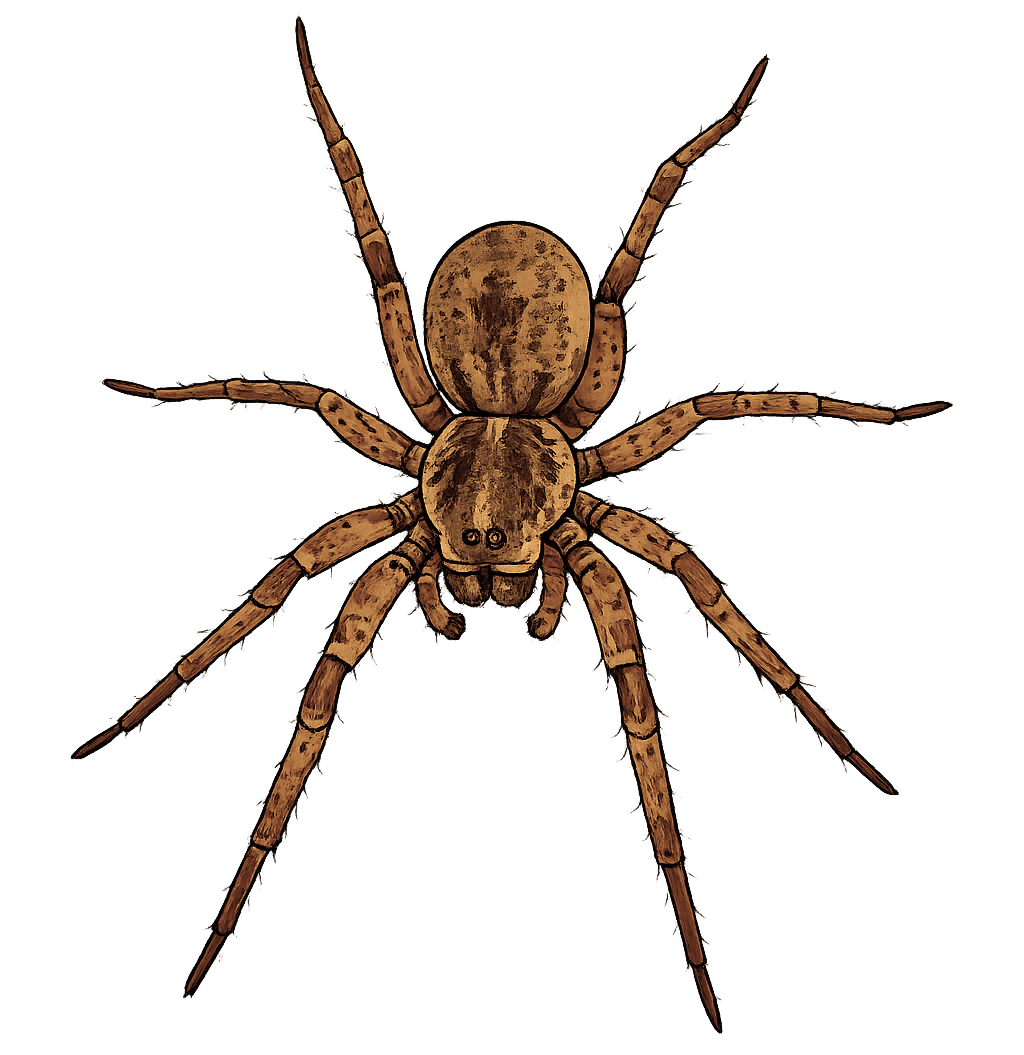
ORDER ARANEAE
IDENTIFICATION
Types of Spiders
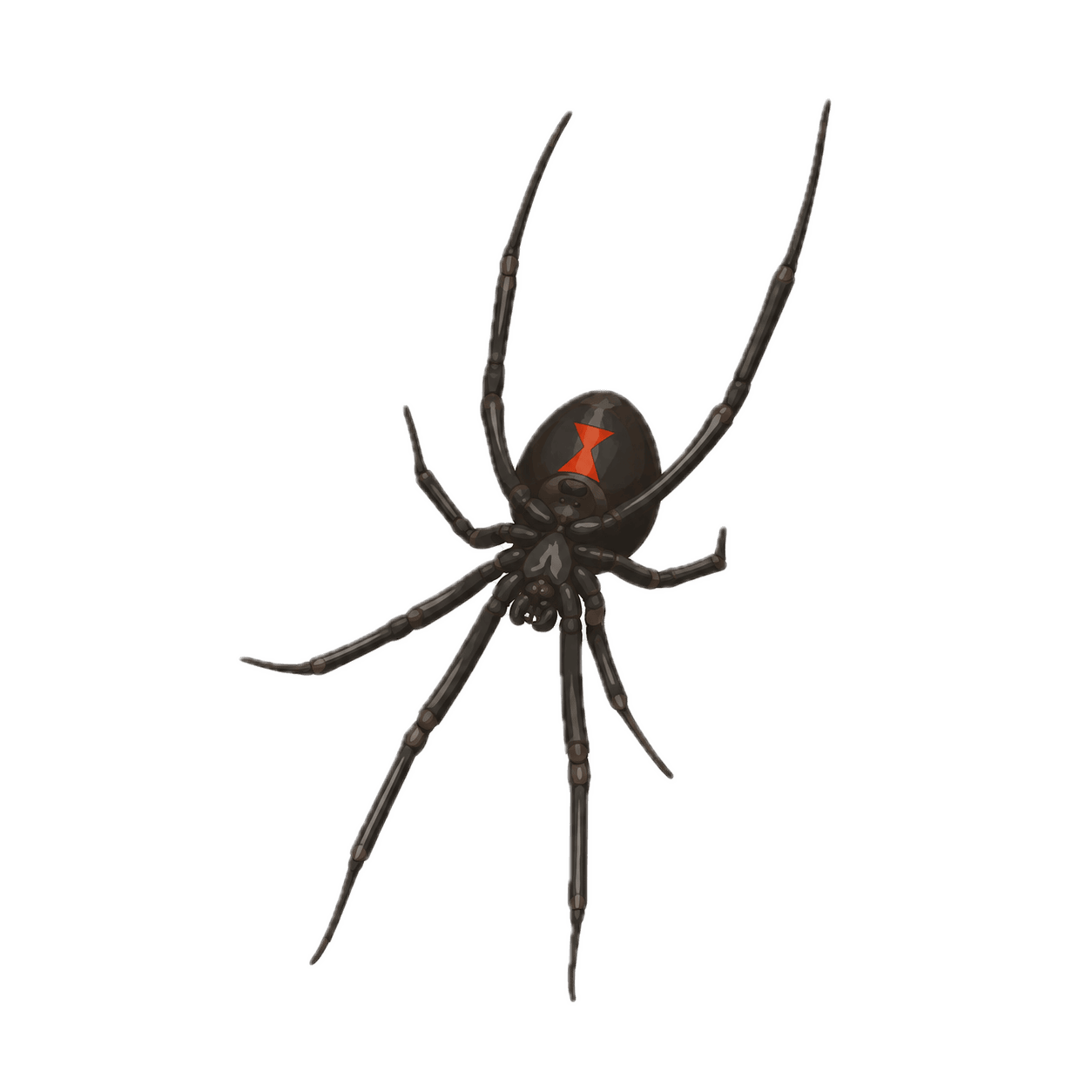
Black Widow
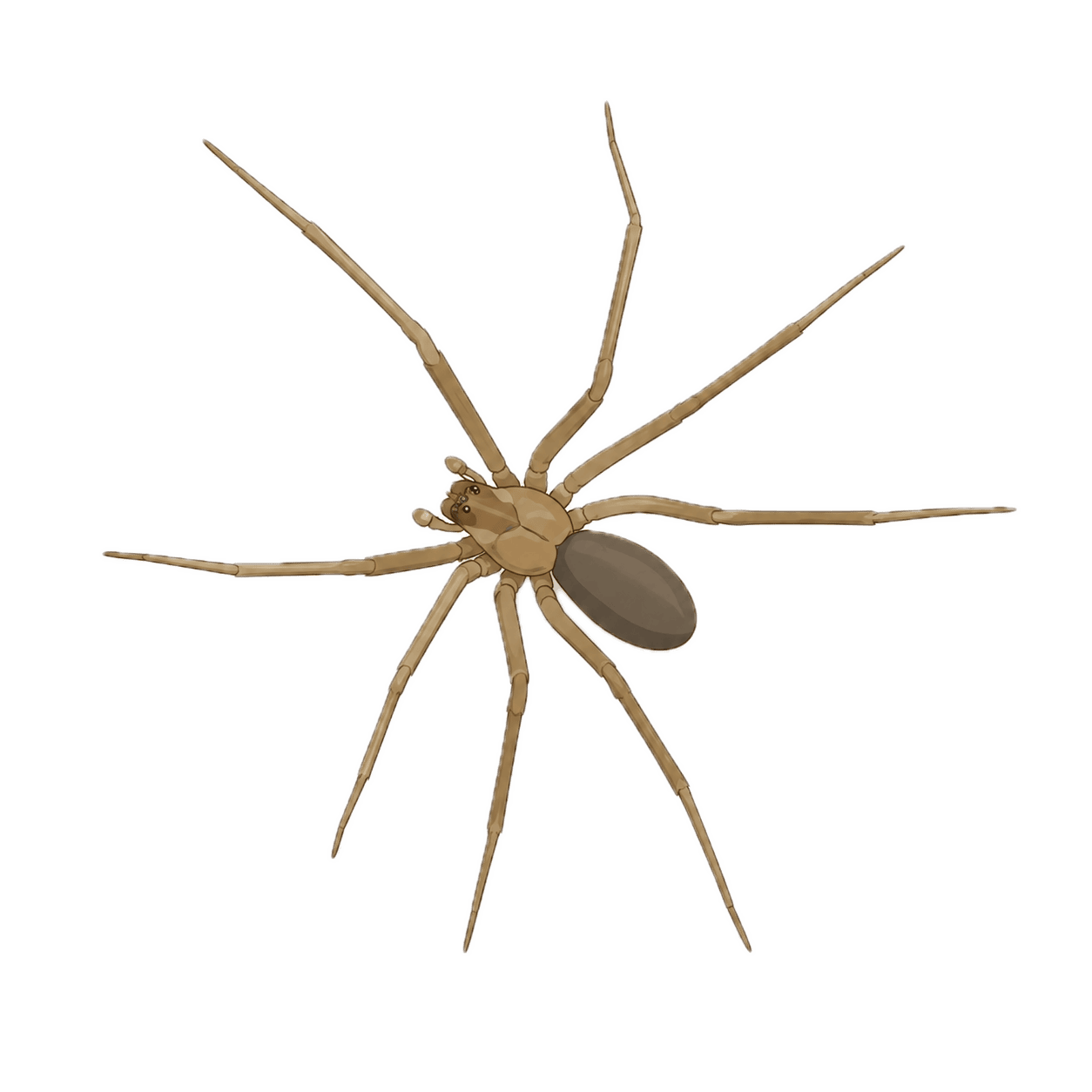
Brown Recluse
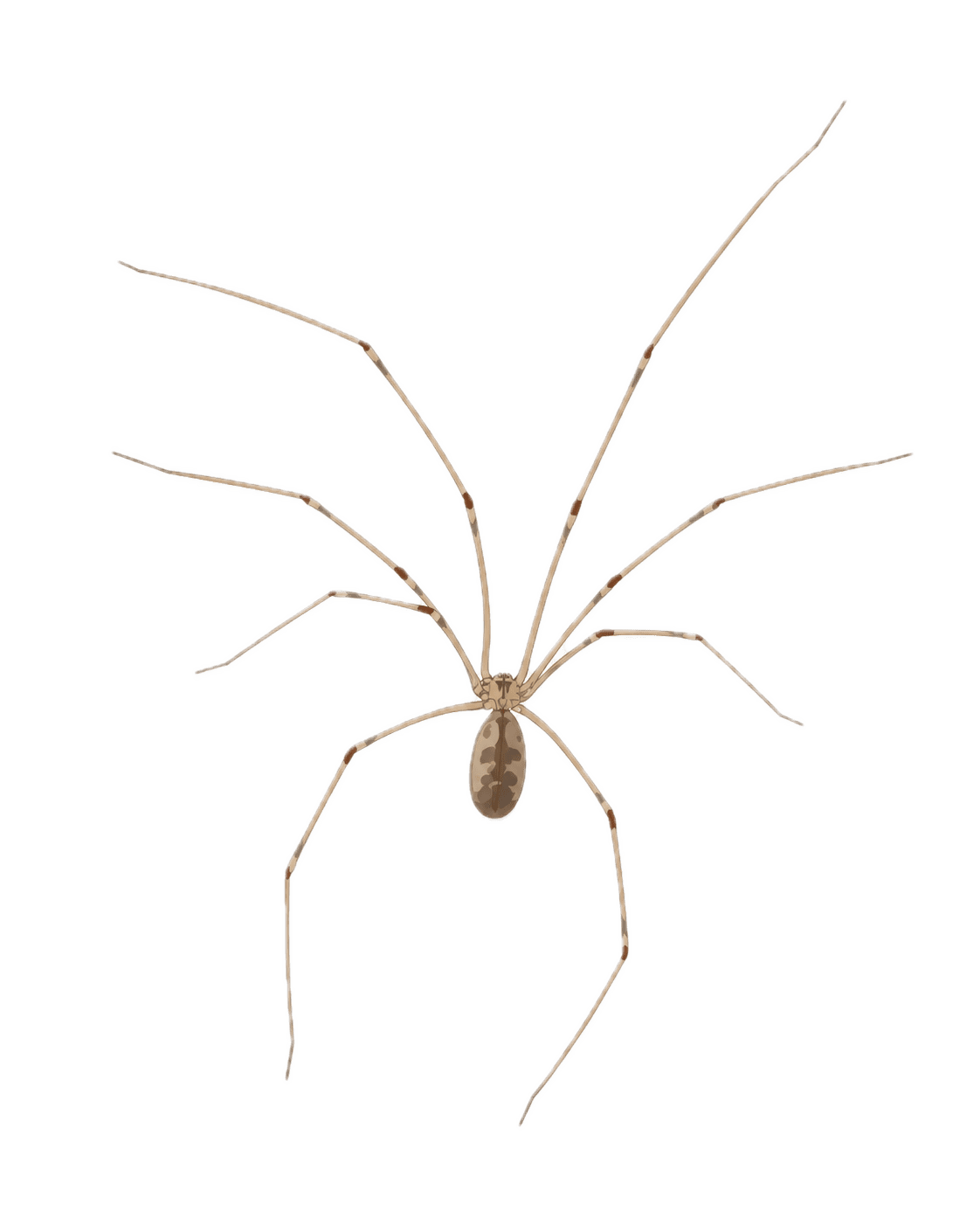
Cellar Spider
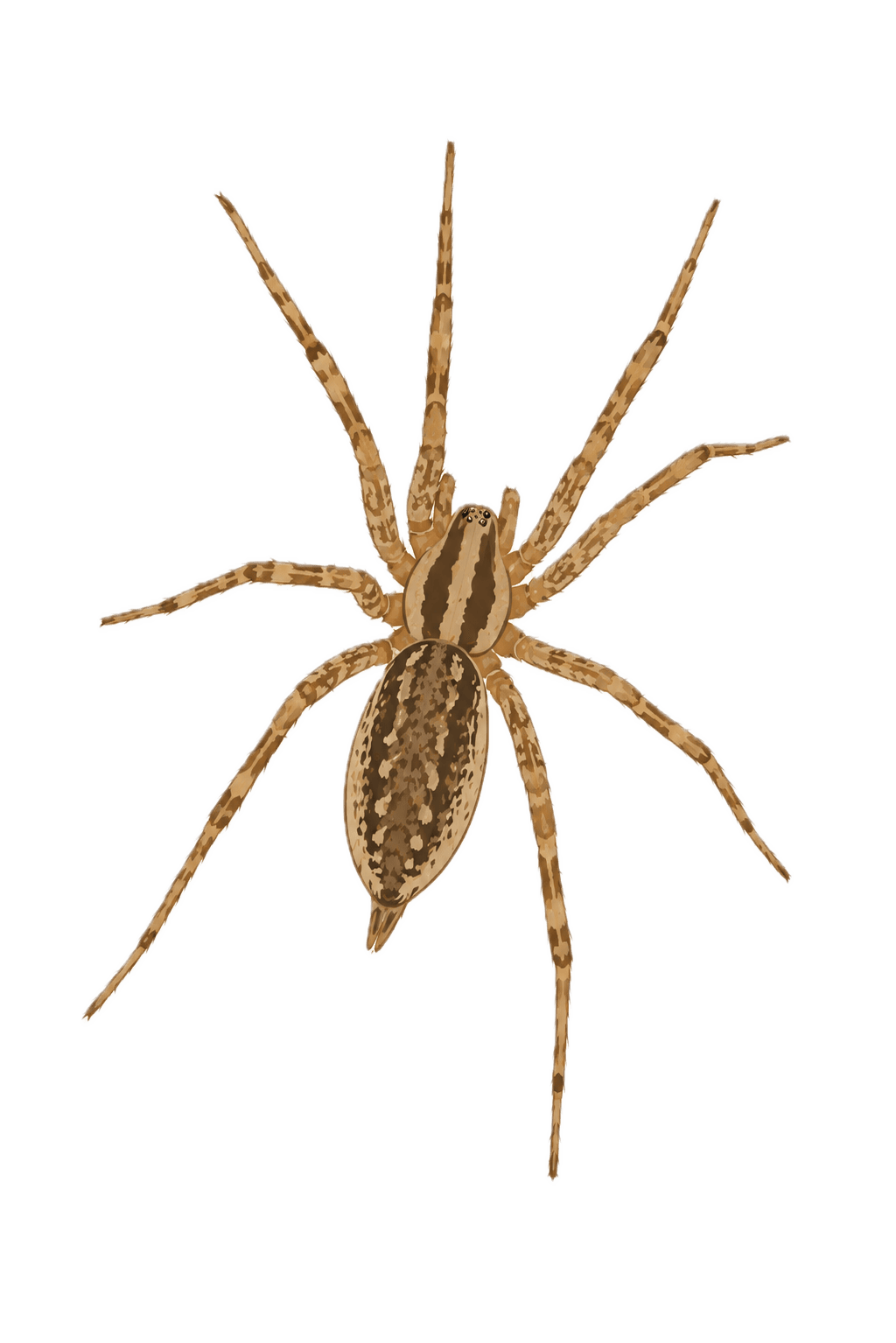
Funnel Weaver
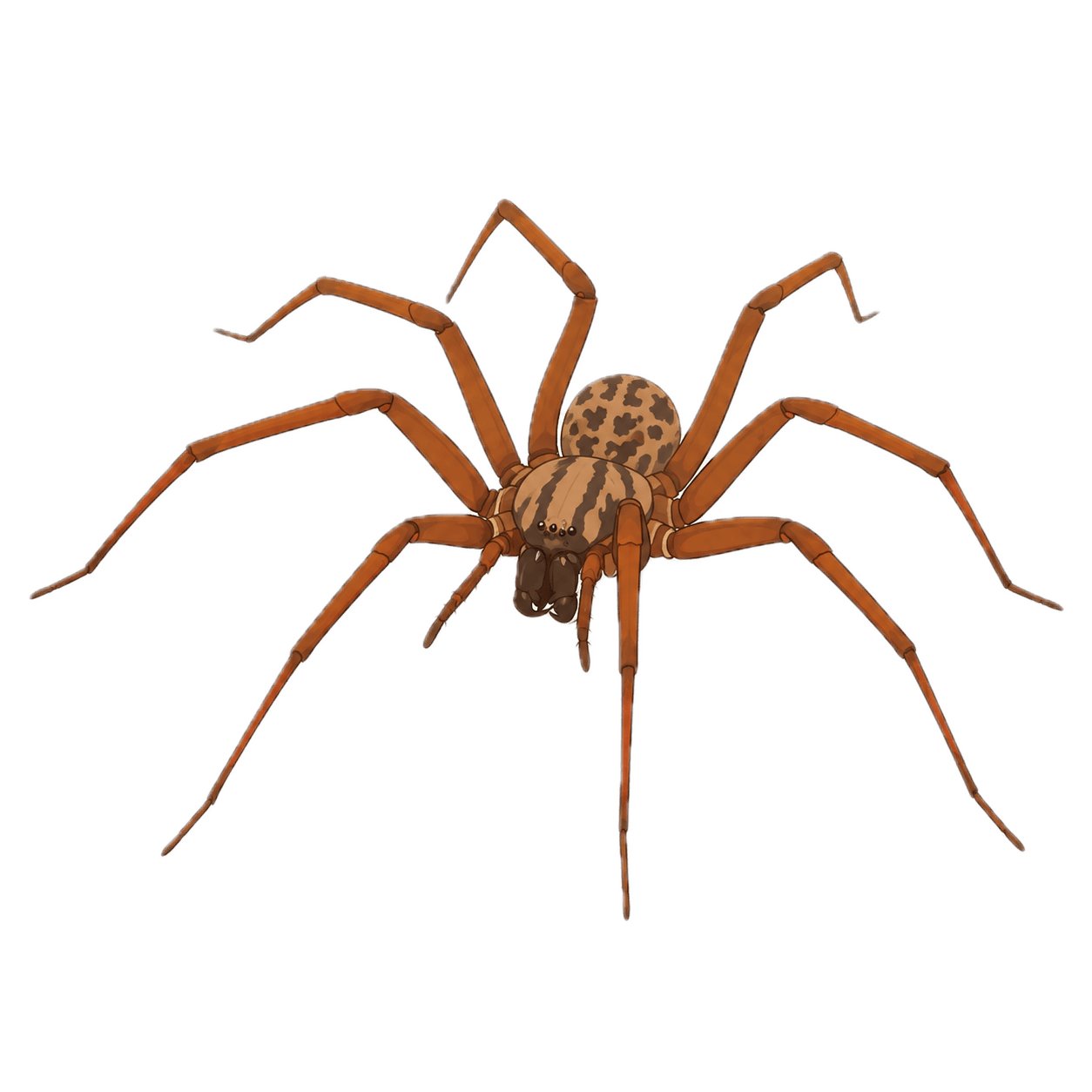
House Spicer
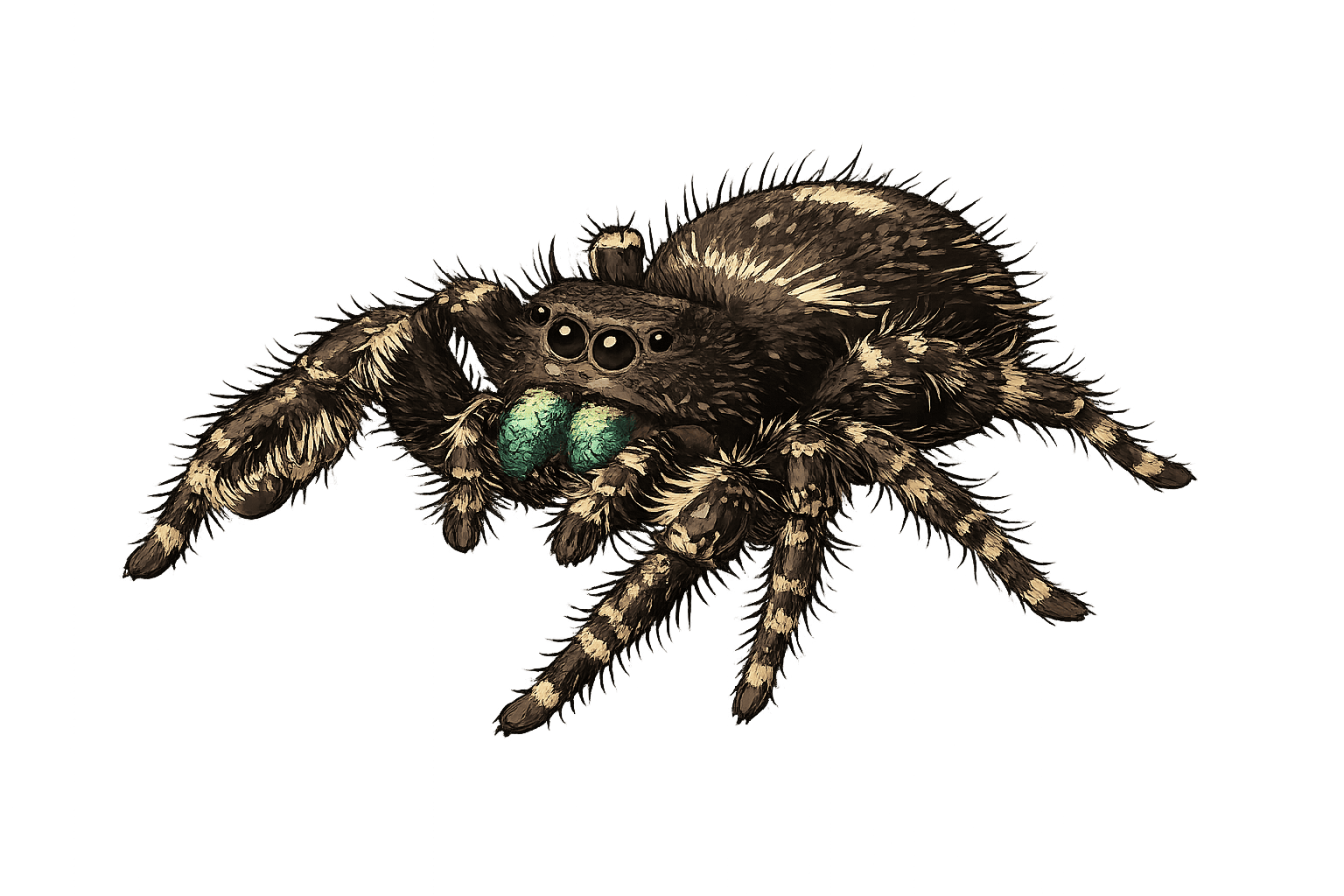
Jumping Spider
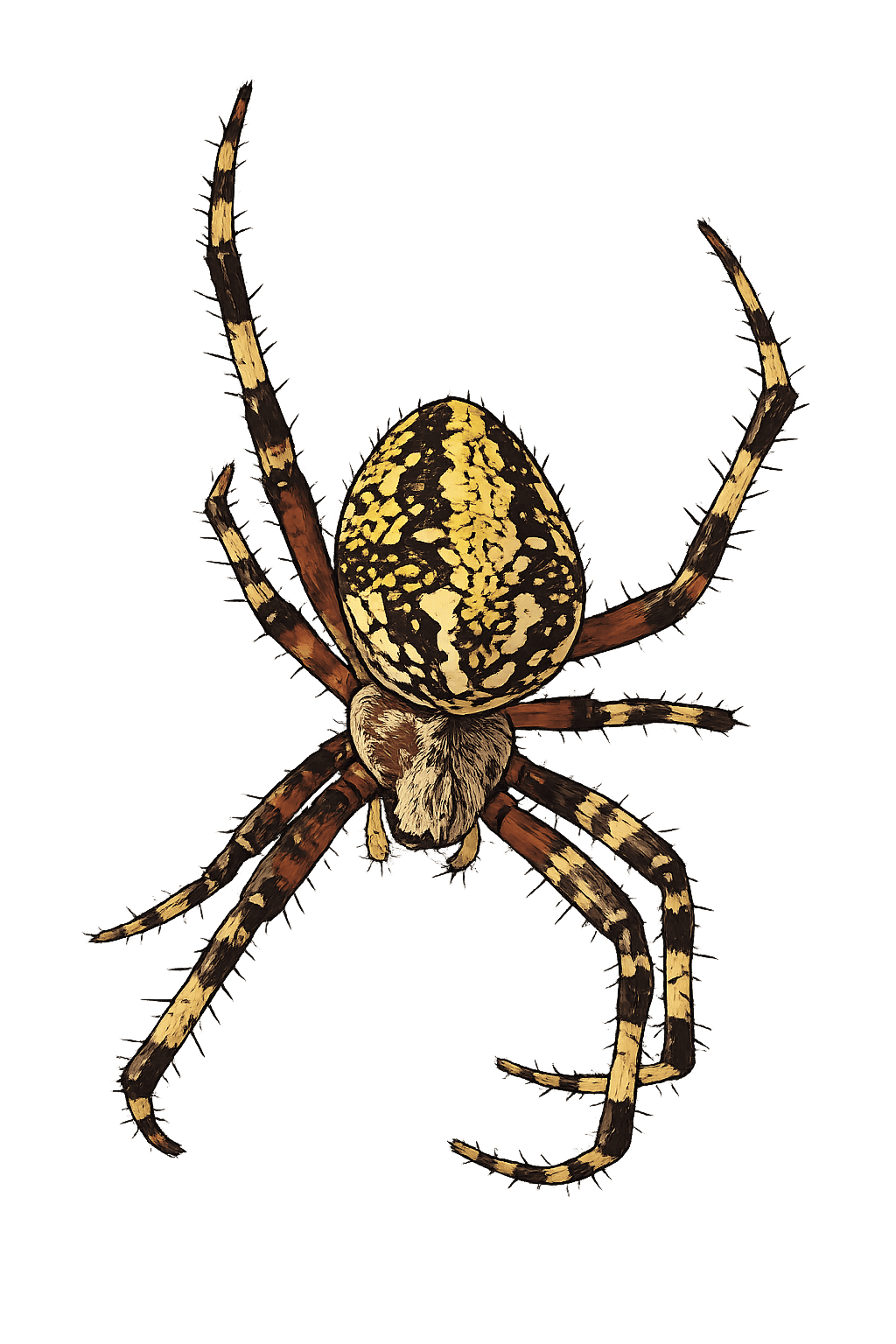
Orb Weaver
Wolf Spider
Spider Facts You Should Know
Most spiders are harmless, even helpful. The large majority you’ll see are harmless to people, and they quietly keep other insects down by eating them. Only a couple of U.S. species warrant real caution.
A spider usually signals other pests. Spiders follow their food, so one indoors often means other insects are around for it to eat. They favor quiet spots like corners, basements, and garages, and exterior lighting that draws their prey. Managing spiders often comes down to managing what they’re feeding on.
Seeing a baby spider doesn’t always mean an infestation. Spiders lay eggs in sacs holding dozens of eggs, so a few tiny spiders can mean a sac hatched nearby rather than a large population.
Are Spiders a Danger?
For the overwhelming majority of spiders, the answer is no. Most household spiders are harmless, and bites are uncommon and usually minor. The two exceptions that genuinely warrant caution in the U.S. are:
- Black widow: Venomous, and a bite can cause systemic symptoms, so it warrants medical attention.
- Brown recluse: One of the few U.S. spiders with medically significant venom. Bites warrant prompt medical attention, though it’s worth knowing that most suspected recluse sightings turn out to be harmless look-alikes.
One clarification worth making: spiders are venomous, not poisonous. They inject venom to subdue prey, but they aren’t poisonous to the touch.
For the spiders most common where you live, see our guides on spiders in Michigan, Georgia, and Florida.

CONTROL
How we handle spider control.
Reducing spiders comes down to three things: removing webs and egg sacs, cutting off entry points, and reducing the insect activity that draws them in. Homeowners can manage the first two to a point. The third, the underlying pest pressure that spiders are feeding on, is where ongoing treatment usually makes the difference.
Learn more about spiders
Spider FAQs
Why do I keep seeing spiders in my house?
Seeing spiders in your house usually signals other insect activity. Spiders follow their food and, while some sit and wait for their food to come to them, many actively hunt their prey.
Do spiders mean my house is dirty?
No, seeing spiders does not necessarily mean your house is dirty. Spiders can show up in clean homes if insects are present.
What's the difference between venomous and poisonous?
Spiders are venomous, meaning they inject their venom when they bite. Poisonous refers to something is toxic when eaten or touched. Less than 0.1% of spiders have venom potent enough to harm humans.
