

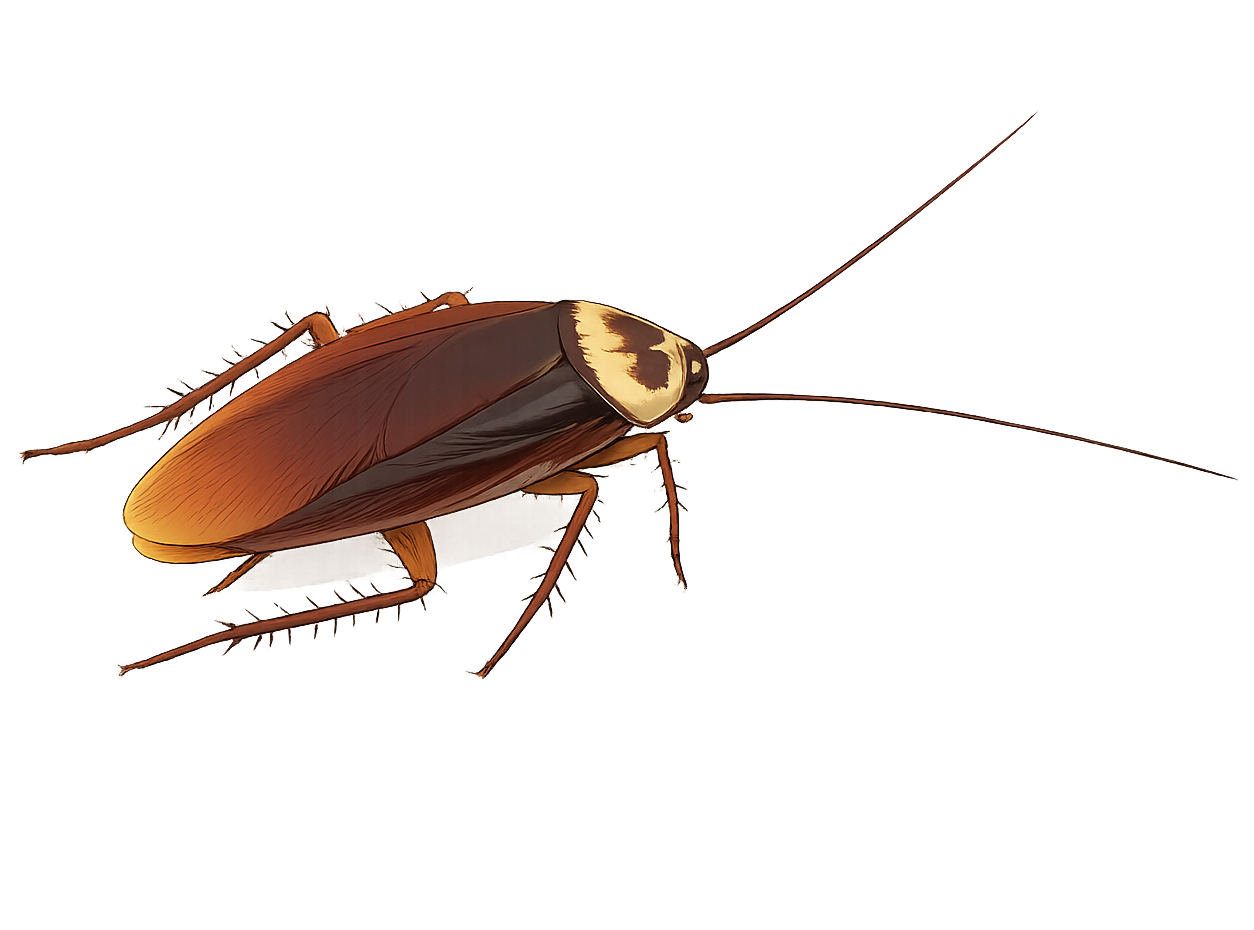
What does a cockroach look like?
Most cockroaches share the same basic profile:
- Flat, oval bodies
- Long, thin antennae
- Six fast legs
- Colors from light tan to dark reddish-brown
- Some species have wings, though not all of them fly
Cockroaches are among the most resilient household pests, and they’re built to stay hidden. They breed quickly, tuck into tight spaces, and if you’re seeing a few out in the open, there are usually many more you’re not. The good news is that once you know what you’re dealing with, roaches are manageable. Below, you’ll find how to recognize the common types, where they tend to hide, why they’re so persistent, and the health concerns that make them worth taking seriously. Follow the links to learn about your specific species or connect with our team for treatment.
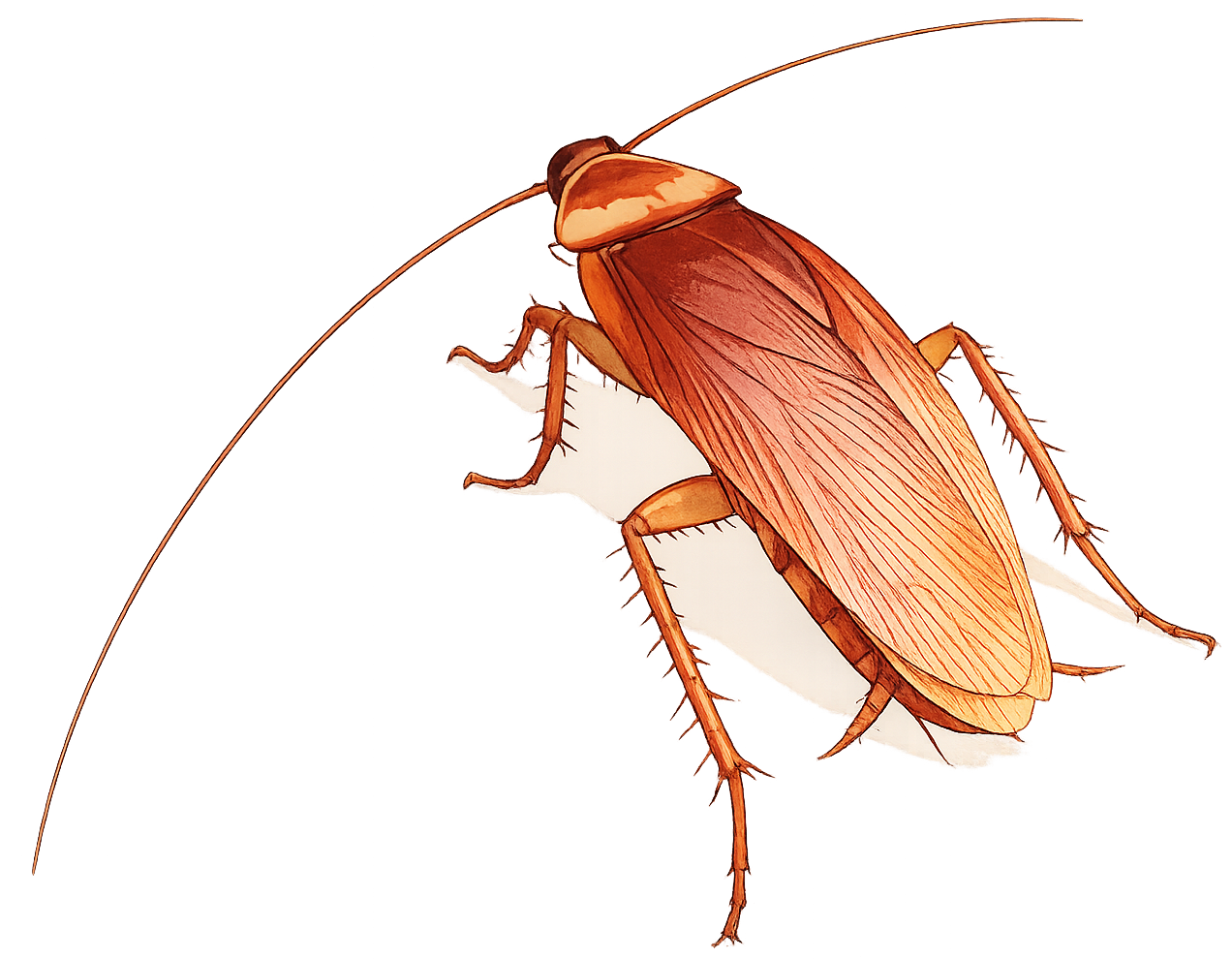
Most cockroaches share the same basic profile:
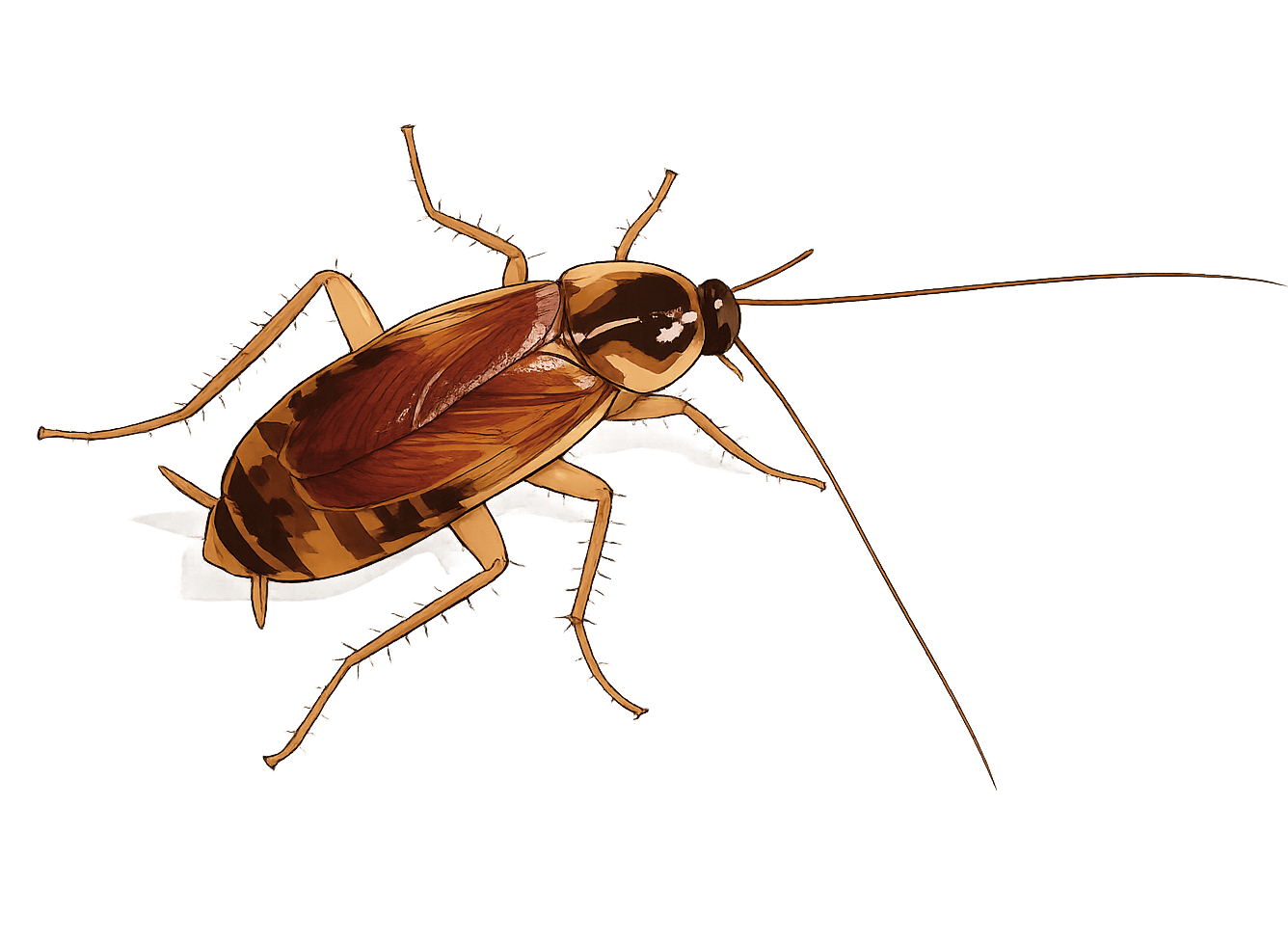
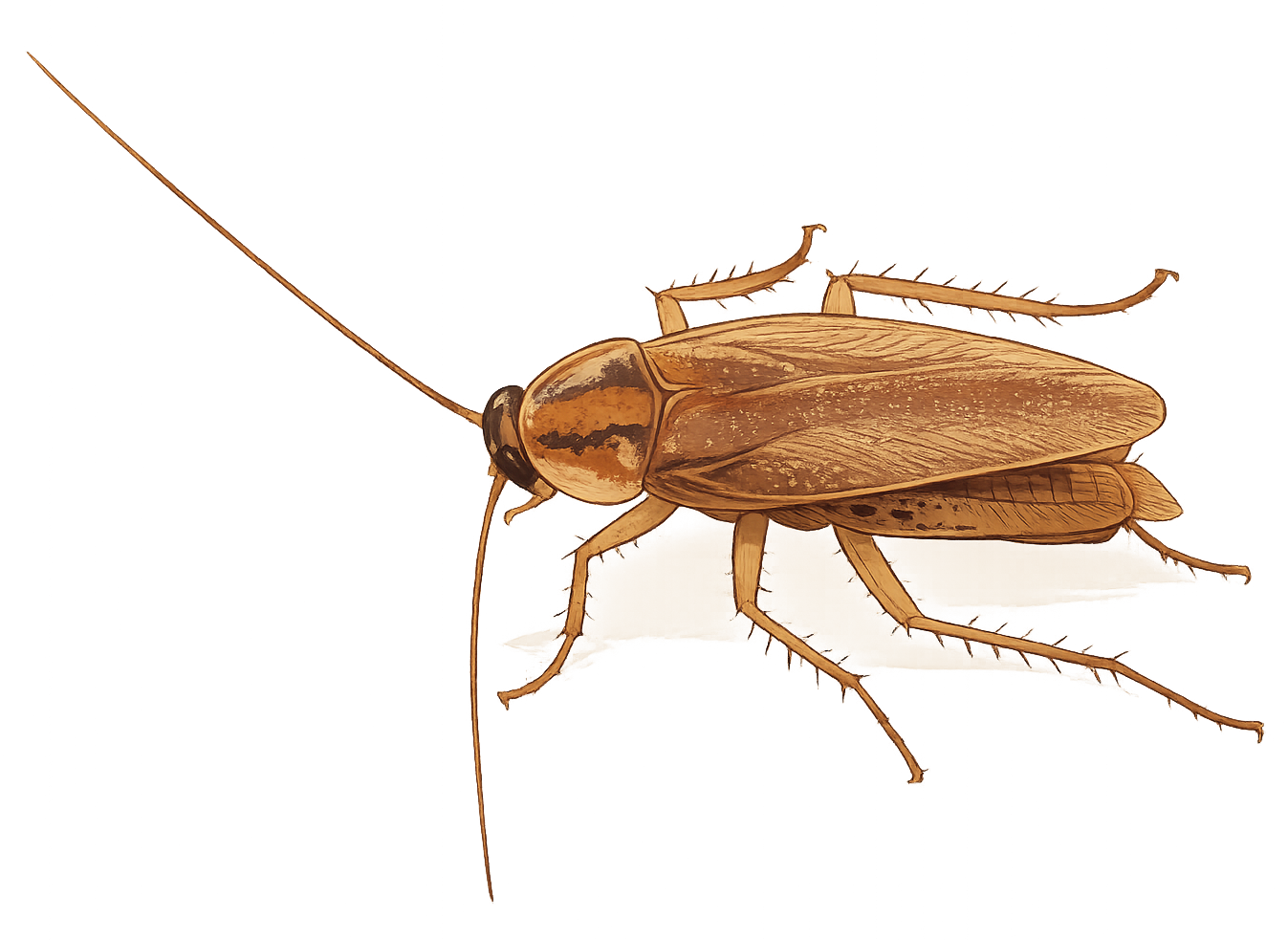
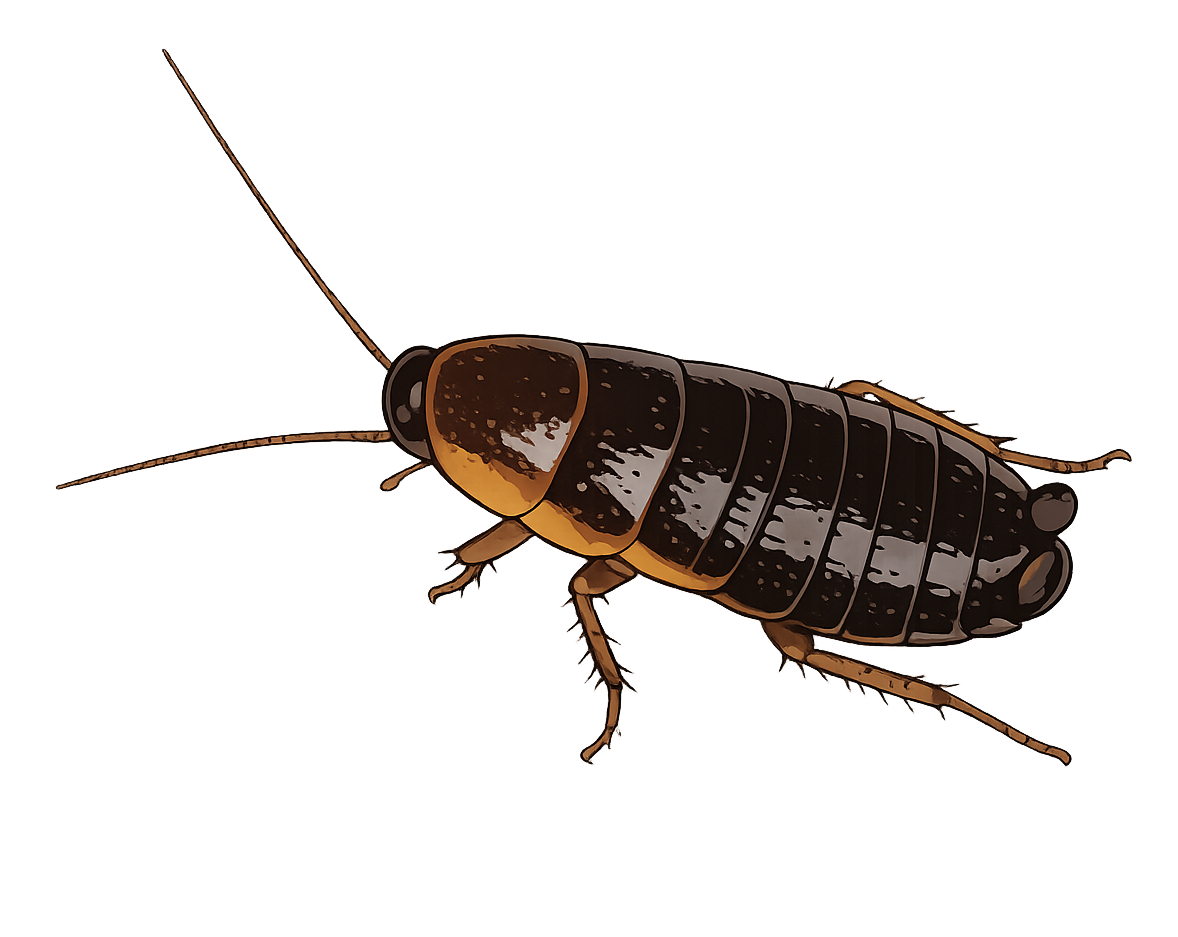
A roach you can see is rarely alone. They shelter in warm, dark, humid spots: behind appliances, inside cabinets and wall voids, and around plumbing and drains. A single sighting usually means a hidden nest nearby, and finding that nest is what separates knocking down a few roaches from resolving the problem.
Roaches reproduce fast, survive on very little, and hide where sprays and traps don’t reach, so the population is usually far larger than what’s visible. That’s why store-bought products tend to handle the ones you see while the hidden ones keep going.
More than most household pests, yes. They travel through drains and garbage and can carry bacteria onto surfaces, and they’re a known allergen and asthma trigger. That’s why an established infestation is worth addressing rather than leaving alone, especially in homes with young children or anyone with respiratory sensitivity.
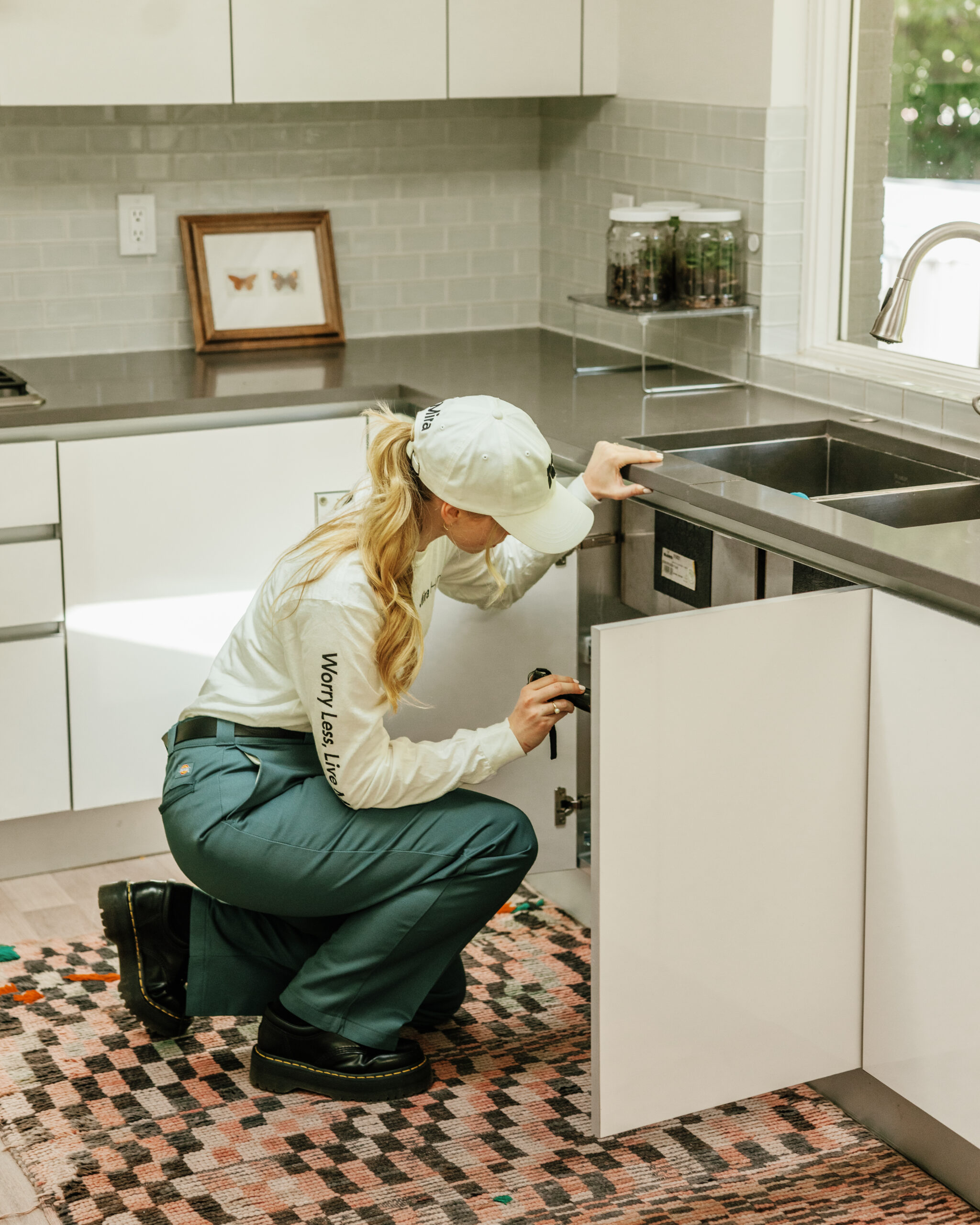
Getting ahead of cockroaches means reaching the hidden, reproducing population, not just the roaches you can see. That means finding where they’re actually living, treating those spaces, and cutting off the food and moisture drawing them in. Cleaning up helps, but it rarely resolves an established infestation on its own, which is where professional treatment makes the difference.
Cockroaches are attracted to food, moisture, and shelter. They find their way into your home through small gaps looking for a good place to nest.
Yes, according to the EPA, cockroaches can pose a dangerous health risk. They passively carry harmful bacteria that can spread disease and their eggs, feces, and shed body parts contain allergens that can trigger severe asthma attacks and allergic reactions.
No, cockroaches will not leave on their own. If left untreated, nests will grow and infestations will become worse.

Your request was submitted successfully