


Florida’s warm, humid climate might be perfect for sunny beach days and backyard barbecues—but unfortunately, it’s also the perfect breeding ground for cockroaches. These unwelcome pests thrive across the state, invading homes in search of food, water, and shelter.
In this guide, we’ll walk you through how to identify Florida’s most common cockroaches, understand what draws them in, and—most importantly—how to keep them out.
Why Are Cockroaches So Common in Florida?
Florida’s climate is genuinely one of the most cockroach-friendly environments in the United States; and unlike most of the country, the conditions don’t change enough seasonally to give homeowners a real break.
Year-round breeding. In northern states, cold winters interrupt cockroach reproduction and force populations to crash and rebuild each year. Florida’s subtropical climate doesn’t do that. Roaches breed continuously, which means populations can build steadily rather than starting over each spring.
Outdoor habitat right against the home. Palm fronds, mulch beds, woodpiles, dense landscaping, and shaded shrubbery all create ideal cockroach harborage within feet of the foundation. The American cockroach — the species locals call the Palmetto bug — is genuinely an outdoor pest that wanders inside, not just an indoor one.
Weather events drive them indoors. Heavy rainfall during Florida’s wet season, tropical storms, and hurricanes flood outdoor harborage and push roach populations inside in waves. Homeowners often see indoor activity spike in the days after a major storm.
Dense housing helps them spread. In metro areas like Orlando and Tampa, apartment buildings, condos, and tightly-spaced housing make it easy for cockroach populations to move between units. An infestation in one apartment is rarely just that apartment’s problem.
All of which is why Florida cockroach pressure isn’t really seasonal — it’s a year-round baseline that homeowners manage continuously, rather than a problem that has a beginning and an end.
Common Types of Cockroaches in Florida
Florida is home to a variety of cockroach species, each with different habits, appearances, and nesting preferences. Here are the most common ones homeowners encounter:

American Cockroach (aka Palmetto Bug)
- Size: Up to 2 inches long
- Color: Reddish-brown with a yellowish figure-8 pattern behind the head
- Habitat: Often found in basements, garages, sewers, and crawl spaces
- Fun fact: They’re strong flyers and often mistaken for beetles when airborne.

German Cockroach
- Size: About ½ inch long
- Color: Light brown with two dark stripes behind the head
- Habitat: Loves warm, humid indoor areas—especially kitchens and bathrooms
- Reproduction: Incredibly fast—one female can produce hundreds of offspring in a matter of months
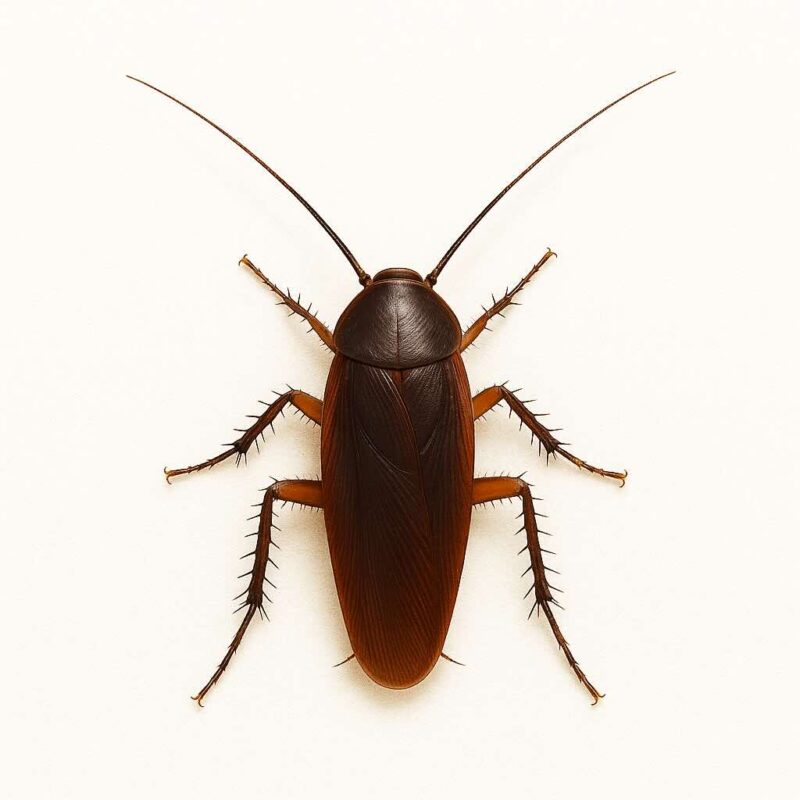
Smokybrown Cockroach
- Size: About 1.5 inches
- Color: Shiny, dark brown or mahogany
- Habitat: Found outdoors in woodpiles, sheds, and under eaves—may wander inside at night
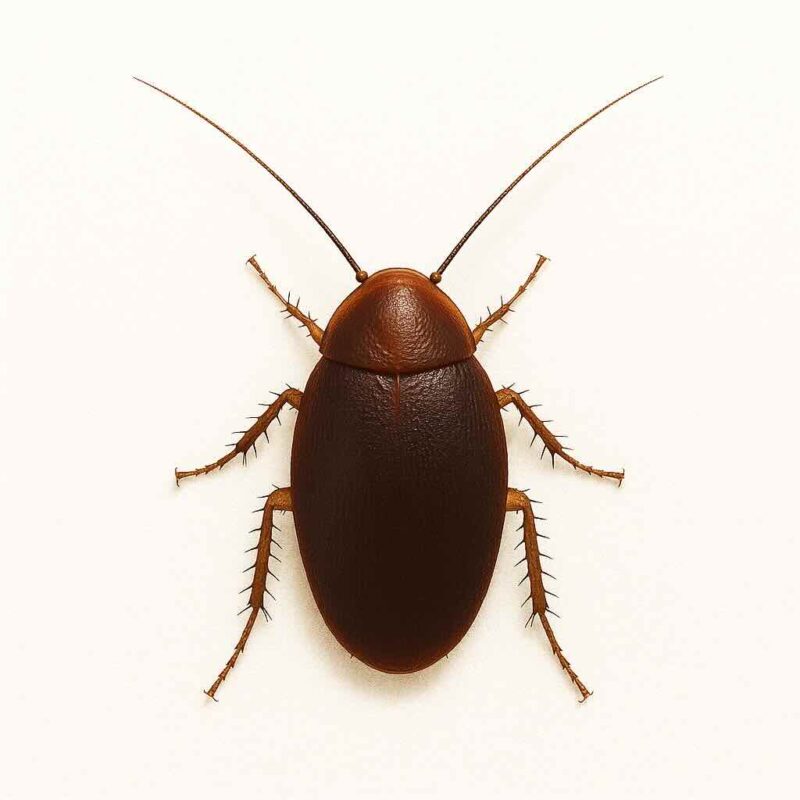
Florida Woods Cockroach
- Size: 1.2 to 1.6 inches
- Color: Dark brown to black
- Habitat: Prefers outdoor environments with decaying plant matter, but can make its way indoors if disturbed
Other Roaches You Might See
You might also spot brown-banded roaches or Asian cockroaches. Identification is key to effective treatment.
What Attracts Cockroaches in Florida Homes?
Roaches aren’t picky. All they need are the basics:
- Food: Crumbs, pet food, grease, and trash are top attractants.
- Moisture: Leaky faucets, wet towels, and standing water are cockroach magnets.
- Clutter: Cardboard boxes, stacks of paper, and dark corners make excellent hiding spots.
Even clean homes aren’t immune—especially in high-humidity environments.
Is It Normal to Have Roaches in Your Florida Home?
Unfortunately, yes. Roaches are a common problem across the state—but that doesn’t mean you should accept them as housemates.
Even a single sighting could indicate signs of a larger cockroach infestation, especially if you spot them during the day. Seeing baby roaches? That’s a red flag—they’re breeding nearby. Learn more about how to find the nest.
If the issue is recurring or spreading fast, it’s time to act quickly.
Why You Shouldn’t Squish a Cockroach
While it might be tempting to squash a roach on sight, it’s not the best solution.
- Egg Myth—Explained: There’s a common myth that squishing a cockroach releases its egg case (ootheca), leading to more roaches. While this isn’t usually true unless the ootheca is externally attached, it’s still not worth the risk.
- Health Hazards: Roaches carry bacteria on their bodies. Squishing them can release germs onto surfaces in your home.
- Safer Alternatives: Use paper to trap and dispose of them or apply a targeted roach spray.
The Best Ways to Get Rid of Cockroaches in Florida
Whether you’re dealing with a few intruders or a full-blown infestation, here’s how to get rid of cockroaches:
- Seal Entry Points: Cockroaches enter through cracks in walls, doors, windows, and plumbing. Seal these with caulk or weatherstripping.
- Remove Food & Water Sources: Don’t leave food out, clean up crumbs, and fix any leaks.
- DIY Baits & Traps: Store-bought bait stations and sticky traps can help reduce the population—but they’re not always enough.
- Call in the Pros: For large or persistent infestations, professional pest control is the most effective and safest long-term solution.
Final Tips: Keeping Cockroaches Away Year-Round
Roach prevention is an ongoing process, especially in a climate like Florida’s. Here’s how to stay ahead of the problem:
- Seasonal Checks: Roaches are more active in warmer months, so be extra vigilant in spring and summer.
- Routine Cleaning: Don’t let dishes or crumbs sit overnight. Take out the trash regularly and vacuum often.
- Declutter: Roaches love hiding in cluttered areas—keep storage organized and dry.
- Know When to Call a Pro: If you’ve tried everything and roaches keep coming back, professional help is your best option.
How Mira Pest Can Help With Florida Roaches
At Mira Pest, we know Florida cockroaches inside and out. Our team is local, licensed, and experienced in tackling the unique pest pressures of Florida homes. We offer:
- Thorough Inspections: Identify where roaches are hiding and how they’re getting in.
- Pet- and Family-Friendly Treatments: We prioritize your home’s safety and comfort.
- Ongoing Prevention Plans: Keep your home protected year-round with customized service plans.
Let us handle the bugs, so you can enjoy your home in peace.
