

Residential Pest Control Experts in Tampa, FL
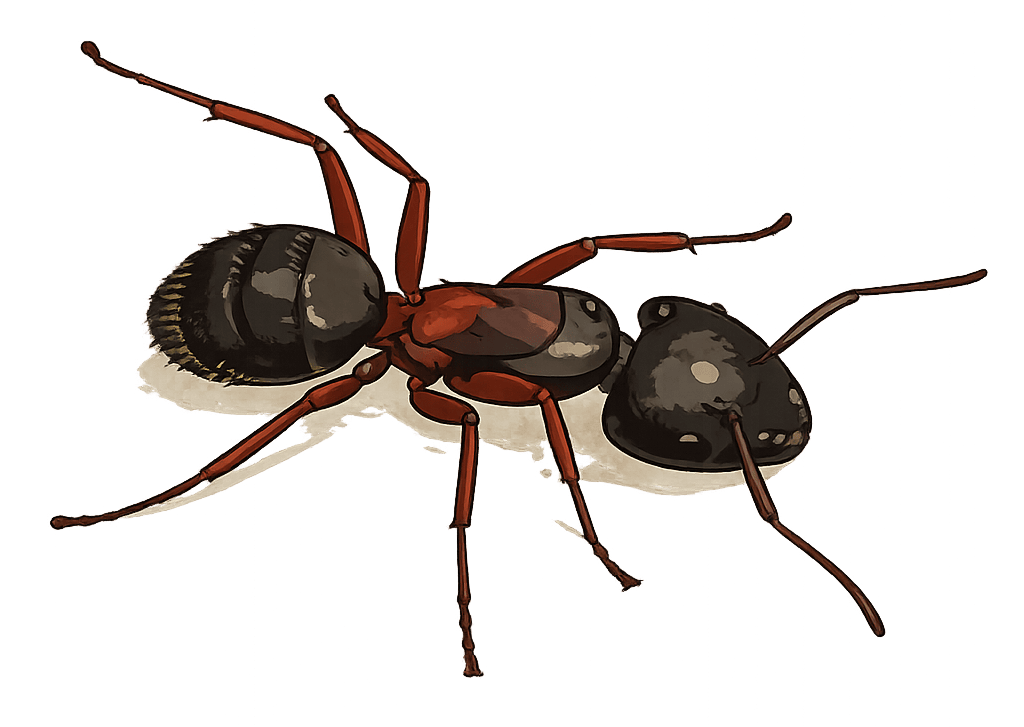
Mira Home is your local team for pest control in Tampa. We handle the ants, palmetto bugs, fire ants, and mosquitoes that Tampa Bay homes deal with year-round, and we build service around how those pests behave here.


Why Tampa Bay Homes Deal With Pests Year-Round
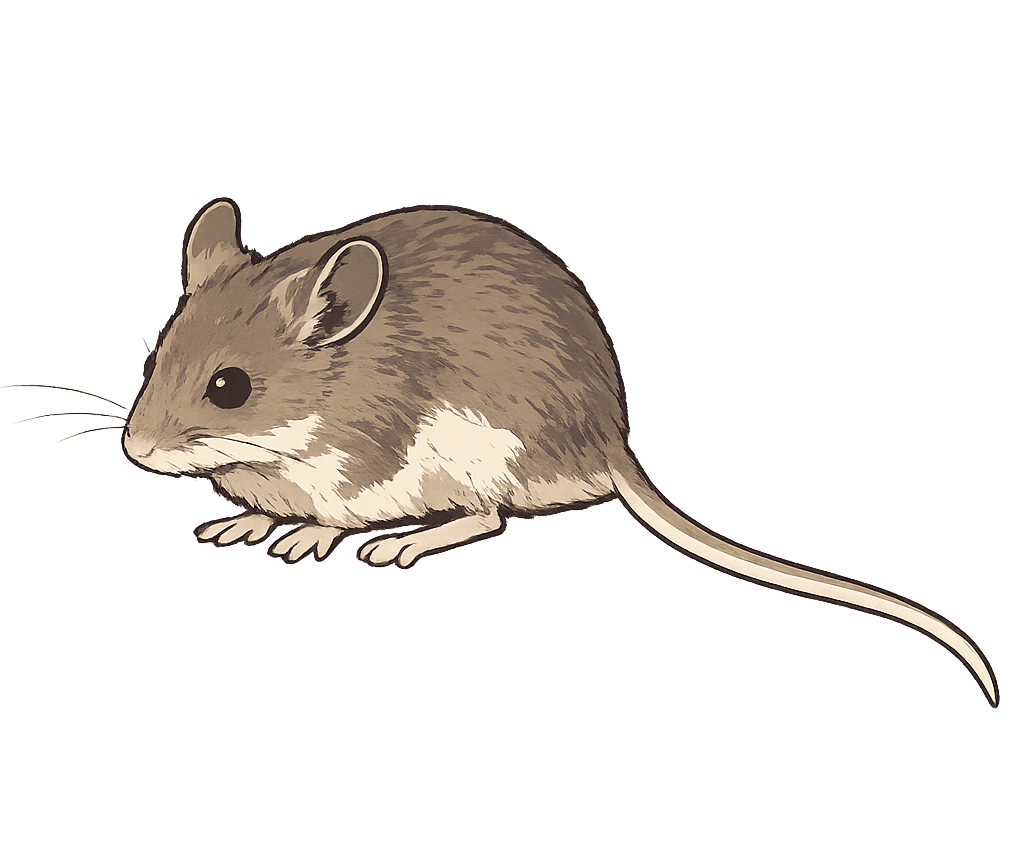
Tampa Bay sits in the warm, humid stretch of Florida where pests never really get a winter off. The heat and the summer storms keep ants, roaches, and spiders active all twelve months, so the usual cold-weather break that slows pests down farther north just doesn’t come here.
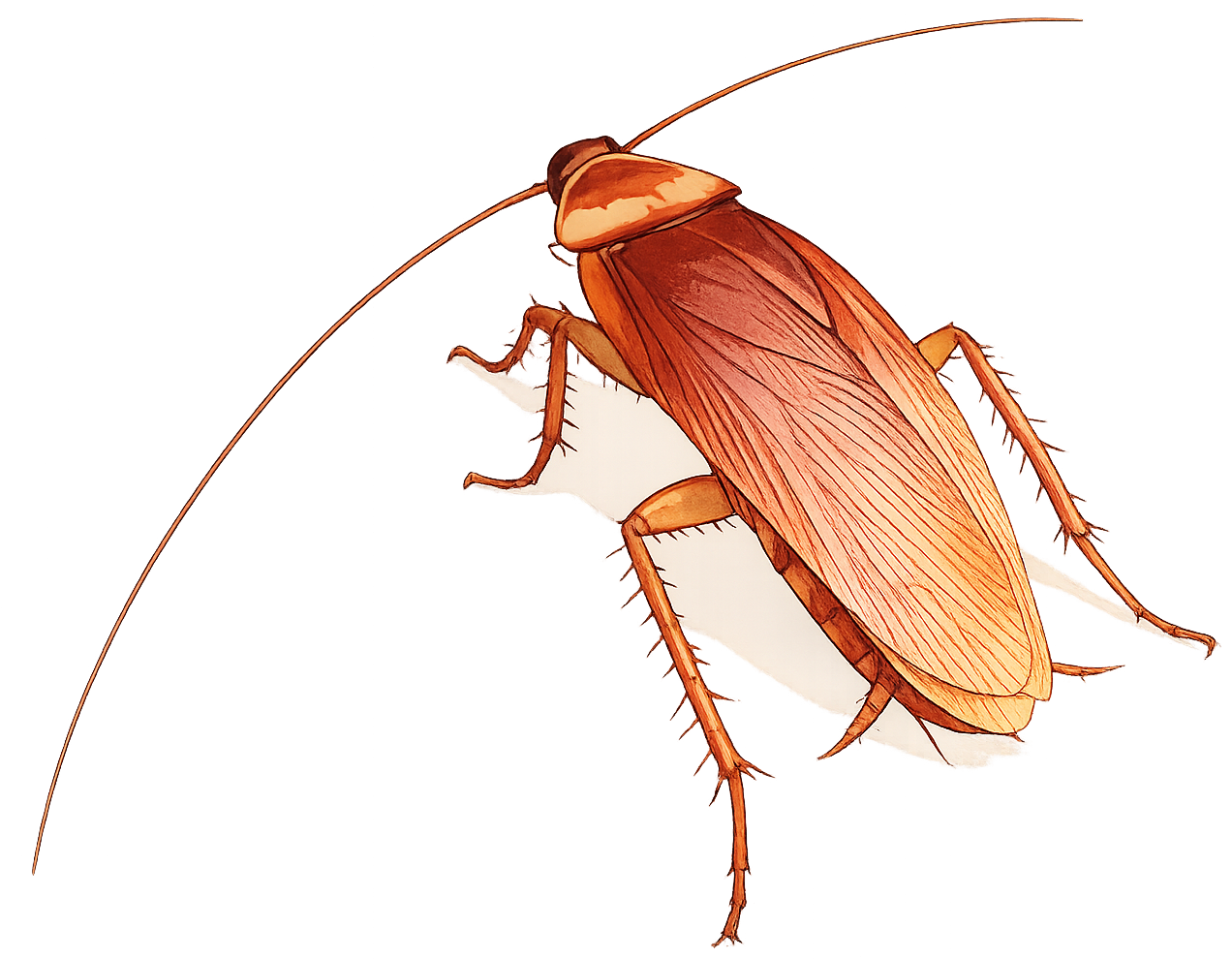
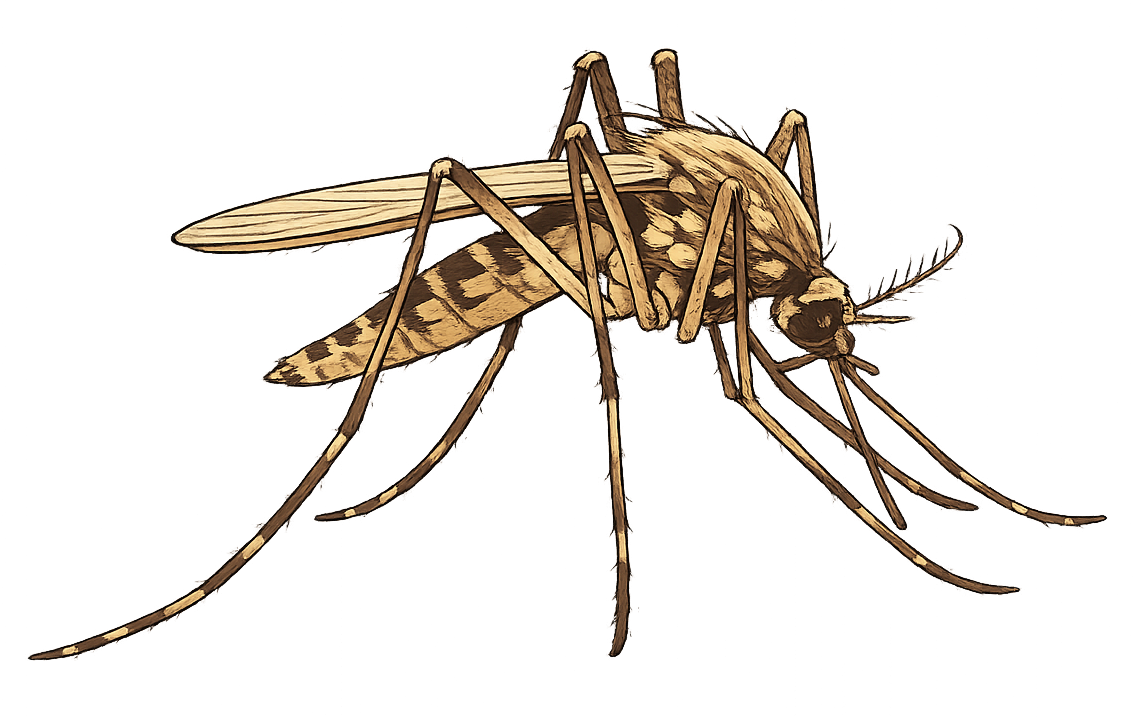
The Gulf side brings its own mix. Fire ants build mounds across yards and bounce back fast after you knock them down. Palmetto bugs, the big roaches that fly, push in from the outside looking for water, and the coastal humidity keeps them comfortable. When the rainy season settles standing water into low spots and drainage, mosquitoes turn into a daily nuisance across the whole bay area.
All that moisture, from the Gulf, the bay, and the summer rain, gives pests steady cover to work with, from the older neighborhoods near downtown to the newer subdivisions out in Brandon and Wesley Chapel. Because the pressure never really lets up, ongoing year-round service holds better than a one-time treatment, since the barrier around your home needs to keep pace with pests that don’t slow down.
Local Pest Control in Tampa and the Surrounding Areas.
- Anna Maria
- Apollo Beach
- Auburndale
- Bartow
- Belleair
- Bloomingdale
- Bowling Green
- Bradenton
- Bradenton Beach
- Brandon
- Brooksville
- Clearwater
- Dade City
- Dover
- Dunedin
- Ellenton
- Fort Meade
- Gibsonton
- Gulfport
- Holiday
- Holmes Beach
- Hudson
- Indian Rocks Beach
- Kenneth City
- Lake Alfred
- Lake Wales
- Lakeland
- Land O' Lakes
- Largo
- Lithia
- Lutz
- Madeira Beach
- Mulberry
- New Port Richey
- Odessa
- Oldsmar
- Palm Harbor
- Palmetto
- Parrish
- Pinellas Park
- Plant City
- Polk City
- Port Richey
- Riverview
- Ruskin
- Safety Harbor
- Saint Leo
- Saint Pete Beach
- Saint Petersburg
- San Antonio
- Seffner
- Seminole
- Spring Hill
- Sun City Center
- Tampa
- Tarpon Springs
- Thonotosassa
- Treasure Island
- Valrico
- Wahneta
- Weeki Wachee
- Wesley Chapel
- Wimauma
- Winter Haven
- Zephyrhills
Common Pests in Tampa, FL
Tampa FAQ
Which Tampa areas does Mira serve?
We cover Tampa and the surrounding Tampa Bay communities from our local team here, including St. Petersburg, Clearwater, Brandon, Riverview, and out toward Wesley Chapel and Plant City. Check the areas list above, or reach out and we’ll confirm whether your address falls in our service area.
When should pest control start in Tampa?
Any time. Tampa Bay doesn’t get the winter lull that slows pests down in colder states, so they stay active all year. That’s why ongoing service works better here than a single treatment. It keeps a barrier up through the warm, humid stretches when pressure is highest, which around Tampa is most of the year.
What pests are most common in Tampa homes?
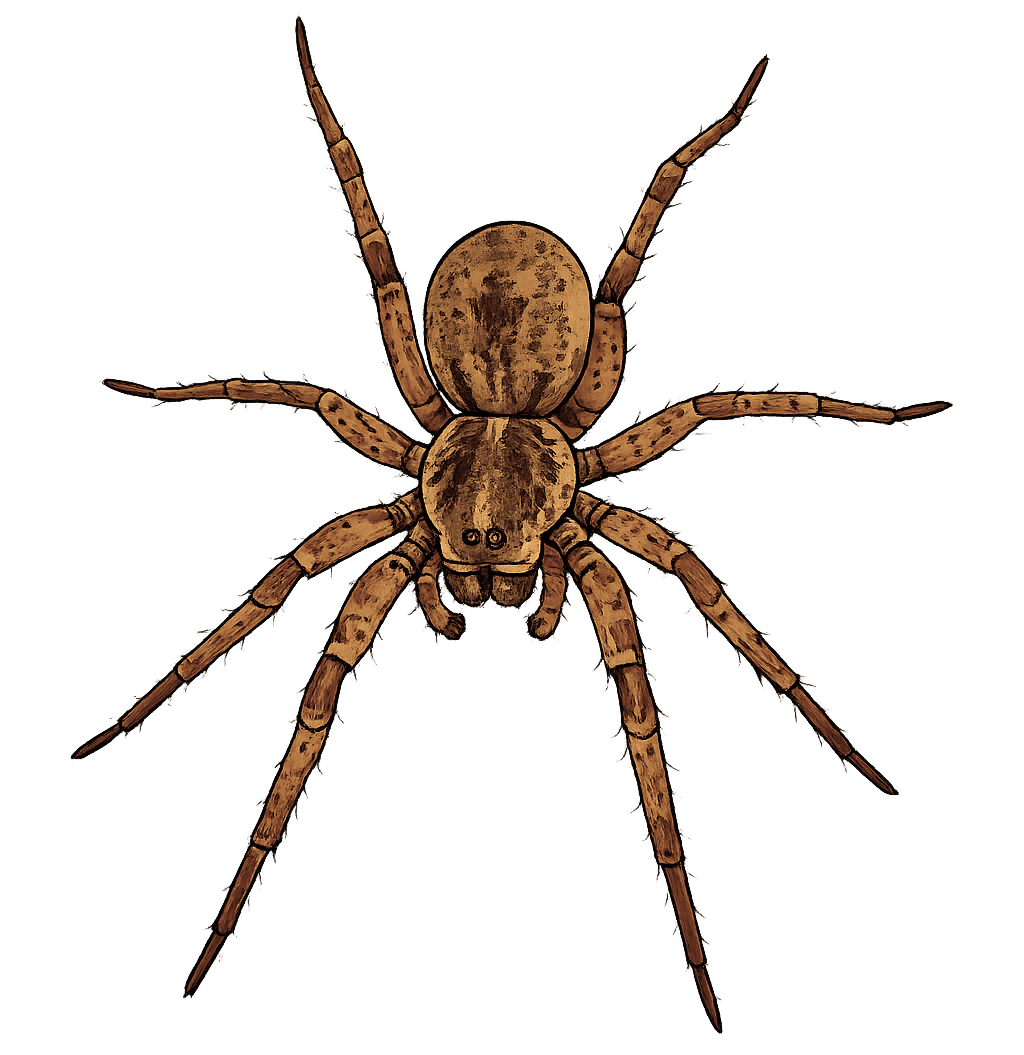
Ants, roaches (including the big palmetto bugs that fly in from outside), and spiders stay busy year-round. Fire ants show up in yards, and mosquitoes spike through the summer rainy season. The Gulf and bay humidity keeps nearly all of them active far longer than they’d be up north.
Do you treat fire ants?
Yes. Fire ant service is available here in Tampa and uses a yard treatment aimed at the mounds and the colonies behind them. Fire ants naturally move in from surrounding areas, so ongoing coverage matters for keeping new mounds from taking hold.
