
Box Elder Bug Identification, Types & Behavior

Box elder bugs are one of the pests homeowners notice most in fall, and if you’re seeing clusters of them on a sunny wall, it’s almost always seasonal rather than a sign of a problem inside your home. The good news is they don’t bite, sting, or damage your house. They’re a nuisance, mostly because of their numbers. Below, you’ll find how to recognize them, why they suddenly show up when the weather cools, and what they mean for your home, so you know exactly what you’re looking at.

Get box elder bug control
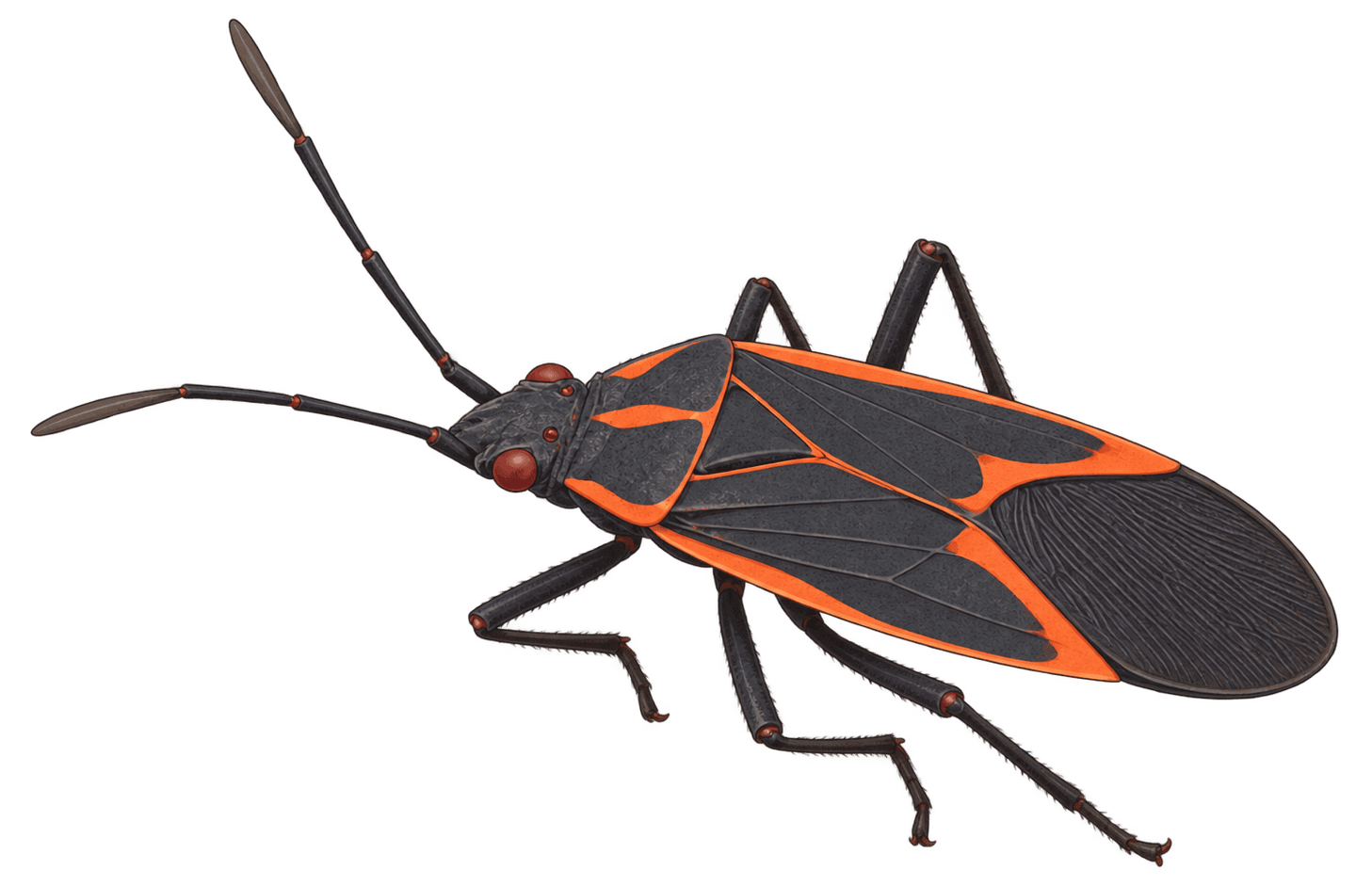
illustration of a box elder bug
FAMILY RHOPALIDAE
Identification

What Do Box Elder Bugs Look Like?

Box elder bugs are easy to recognize once you know the markings:

  • About half an inch long, with a flat, elongated oval body
  • Black with three reddish-orange stripes just behind the head
  • Reddish-orange veins along the wings, forming a “V” when at rest
  • Young nymphs are bright red and wingless, darkening as they grow
  • Often seen in large clusters, which sets them apart from lookalike red-and-black bugs
Why You’re Seeing Box Elder Bugs

Box elder bugs spend spring and summer up in box elder, maple, and ash trees, feeding on the seeds, which is why you rarely notice them then. As the weather cools in fall, they leave the trees and gather on warm, sunny walls, usually on the south and west sides of a home, looking for a sheltered place to spend the winter. From there, many slip into gaps around windows, siding, and the foundation to overwinter in wall voids and attics. On warm winter and early-spring days, the ones that made it inside become active again and turn up on sunny windowsills, which is why a home can seem to have box elder bugs long after fall.

Are Box Elder Bugs Harmful?

For box elder bugs the honest answer is no, they’re a nuisance, not a danger. They don’t bite or sting people or pets, they don’t damage the structure of your home, and they don’t breed indoors or get into food. The one downside worth knowing: their droppings can leave small reddish-orange stains on siding, curtains, and light-colored surfaces, and crushed bugs can stain and give off a mild odor. Mostly, they’re just unwelcome in the numbers that show up in fall.

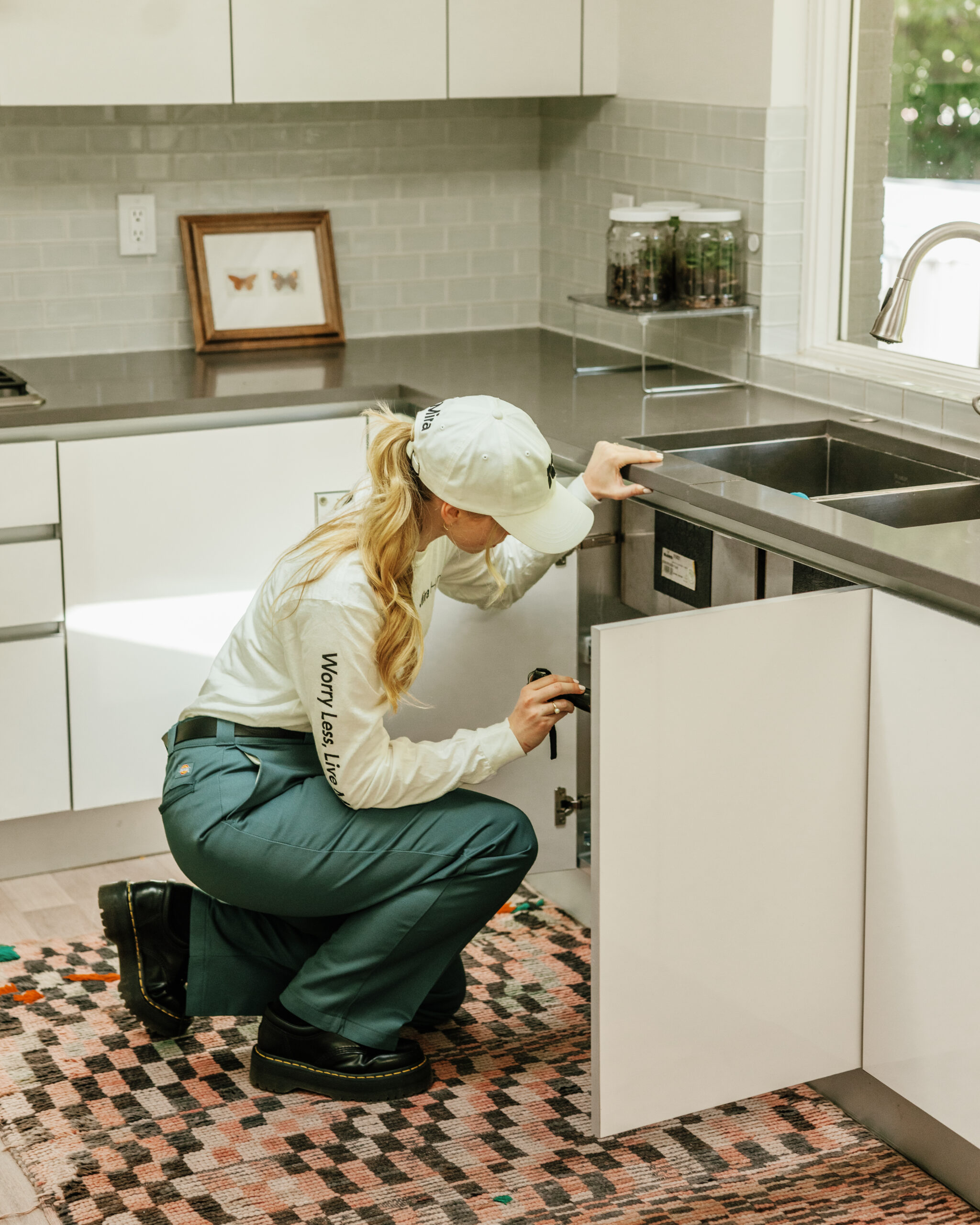
Pest control specialist inspecting under the sink

How we handle box elder bug control control

Mira’s box elder bug control works from the outside in, because these bugs gather on the exterior before they ever come inside. Our team treats the walls, foundation, and entry points, and the real key is timing, getting ahead of them in late summer and early fall before they cluster, rather than chasing them once they’ve settled into the walls. Store-bought sprays tend to knock down the bugs you can see while the rest keep arriving from the trees nearby, so the problem keeps coming back.

Every home is different, so we take a thoughtful, tailored approach. We look at where the bugs are gathering, find the gaps that let them inside, and build a plan suited to your home and the trees around it, so you can get back to enjoying your space with fewer interruptions.

Box Elder Bugs FAQ

Do box elder bugs bite?

No. Box elder bugs don’t bite or sting people or pets, and they aren’t venomous. They’re a nuisance pest, not a harmful one.

Why do I suddenly have so many box elder bugs?

It’s seasonal. As fall arrives, they leave the trees they fed on all summer and gather on warm, sunny house walls looking for a place to overwinter, so the numbers jump from a few in the yard to clusters on the siding.

Do box elder bugs go away on their own?

The outdoor clusters thin out once it turns cold, but the ones that got into your walls will reappear on warm days through winter and spring. Sealing entry points and treating the exterior before they gather is what keeps them from coming back each year.

Ready for a Peaceful, Pest-Free Home?


Get 15% off your initial service today

    By clicking "Get My Quote," I give my electronic signature and consent that Mira may contact me via SMS, phone call, or automated voice call. I understand message and data rates apply. You can opt out by responding STOP at any time. For more information, please review our Privacy Policy and SMS Terms.

    This site is protected by reCAPTCHA and the Google Privacy Policy and Terms of Service apply.

    Sign up to our mailing list