

Indiana Pest Control Services
Local technicians from Indianapolis to Merrillville, with plans built for the way pests move through Indiana homes.
Two Corners of Indiana, Two Kinds of Pest Pressure
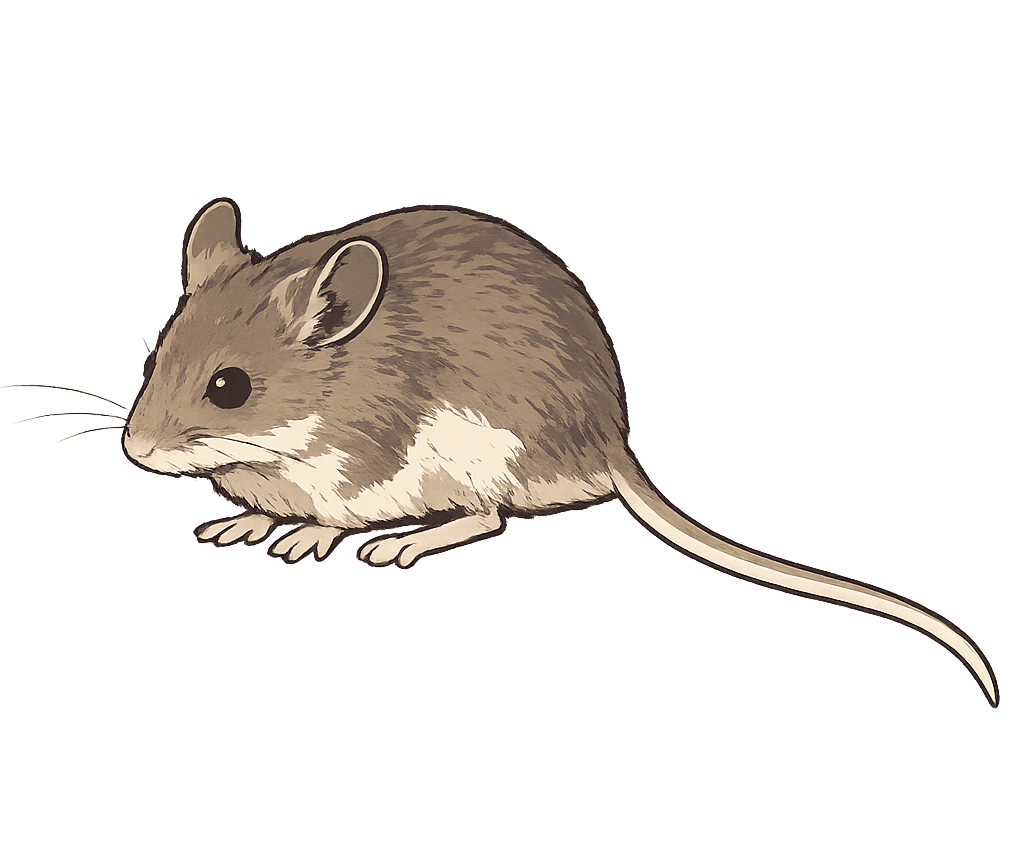
Indiana isn’t one pest environment, it’s a couple of them, and the two ends of the state don’t deal with quite the same things. Around Indianapolis you’re in the flat middle of the state, close to farm country, and that shapes what shows up. When fields get harvested or flooded, mice and field-dwelling insects don’t disappear, they head for the nearest warm, dry building, and a lot of the time that’s a house on the edge of town.
Up in the northwest, around Merrillville, it’s a different setup. That corner sits in Chicago’s orbit, closer to Lake Michigan, and it’s denser and more built-up. The lake keeps the humidity high through the warm months, and the older, tighter housing stock around there gives pests the small gaps they need to work their way in.
What both ends share is the Midwest calendar: a warm, active stretch from spring through early fall, then a hard turn toward winter that sends mice and overwintering insects looking for a way inside. Getting ahead of that fall push with steady service is what keeps the season from ending up in your walls.
Pest Control in These Indiana Cities
Common Pests in Indiana
Indiana FAQs
Which Indiana cities does Mira serve?
We have local teams around Indianapolis and Merrillville, covering those areas and the surrounding communities. Find your city in the list above, or reach out and we’ll let you know whether you’re in a service area.
When should pest control start in Indiana?
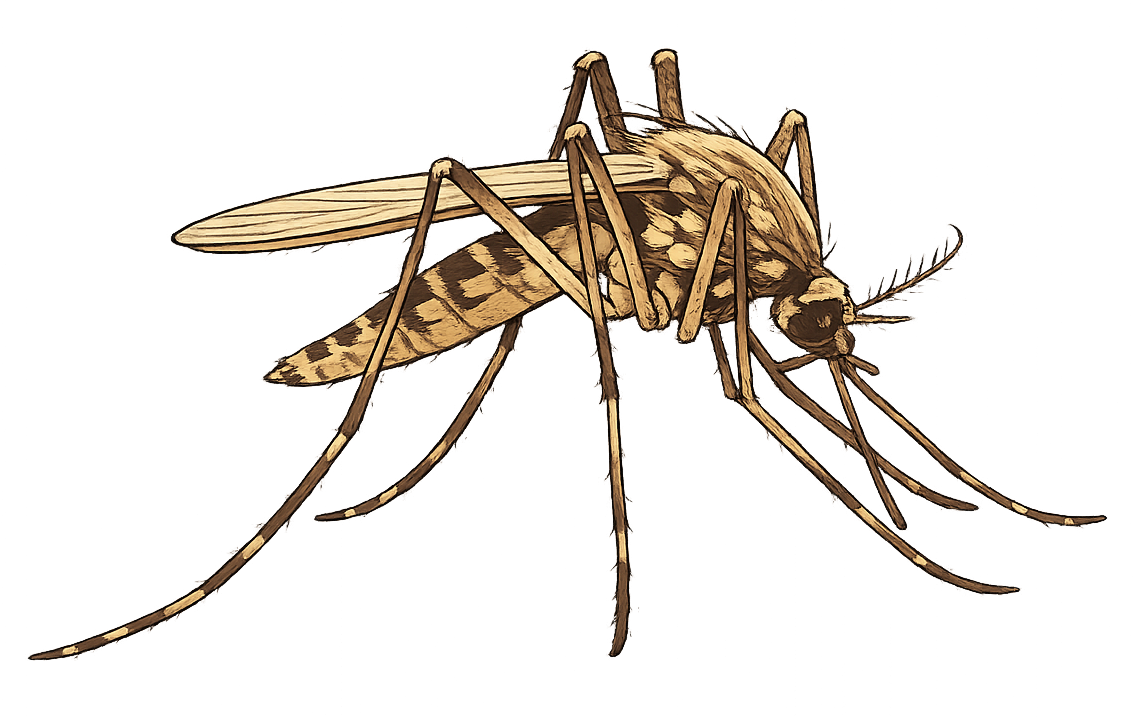
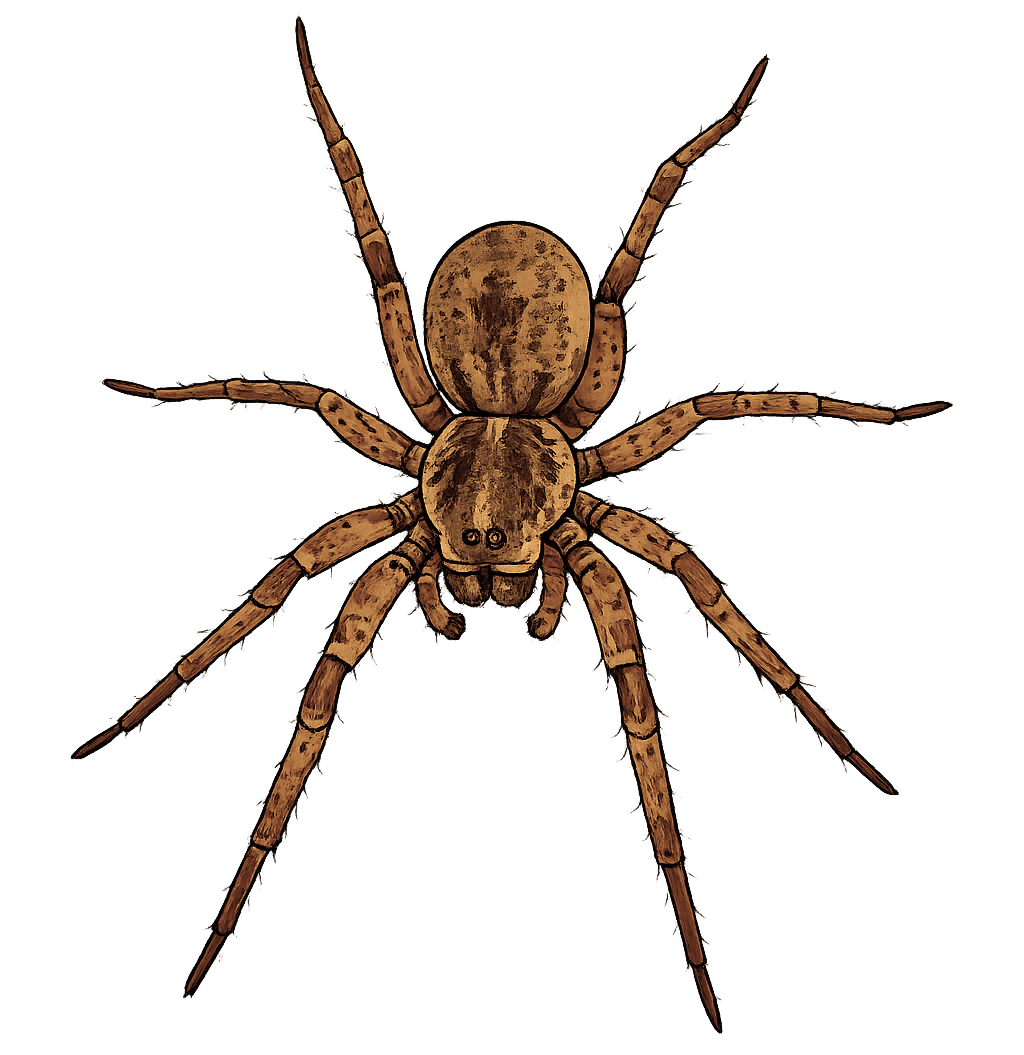
Spring is a good time to get ahead of ants, spiders, and mosquitoes, and fall is the one to watch, since that’s when mice and overwintering insects start heading indoors. Ongoing service through the warm months and into fall keeps a barrier up right when pressure is highest.
What pests are most common in Indiana homes?
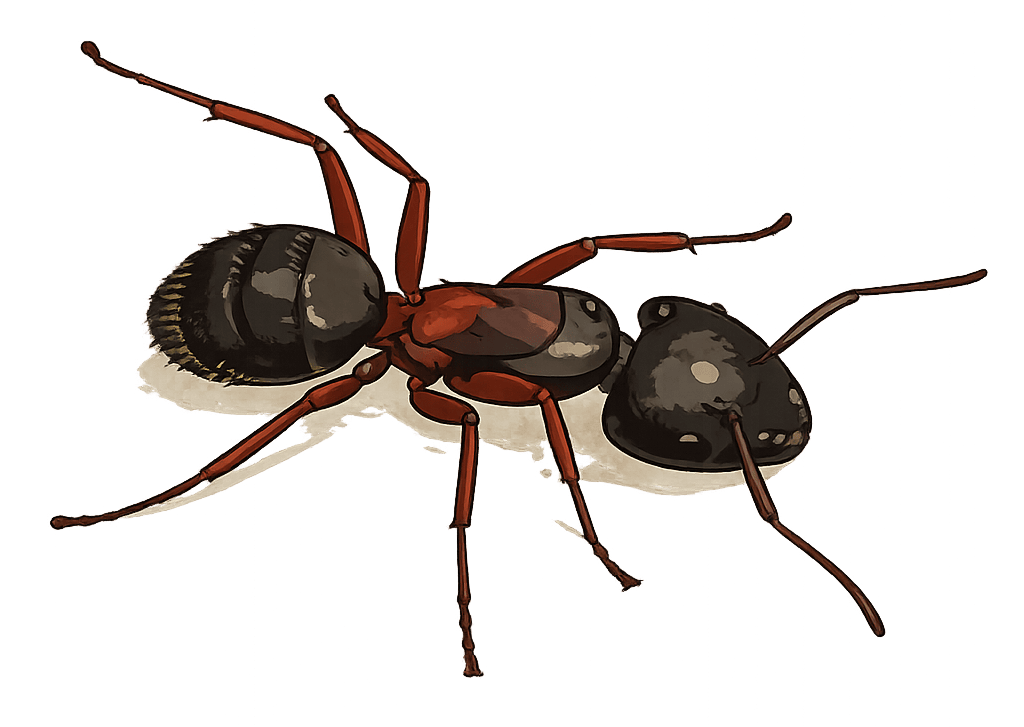
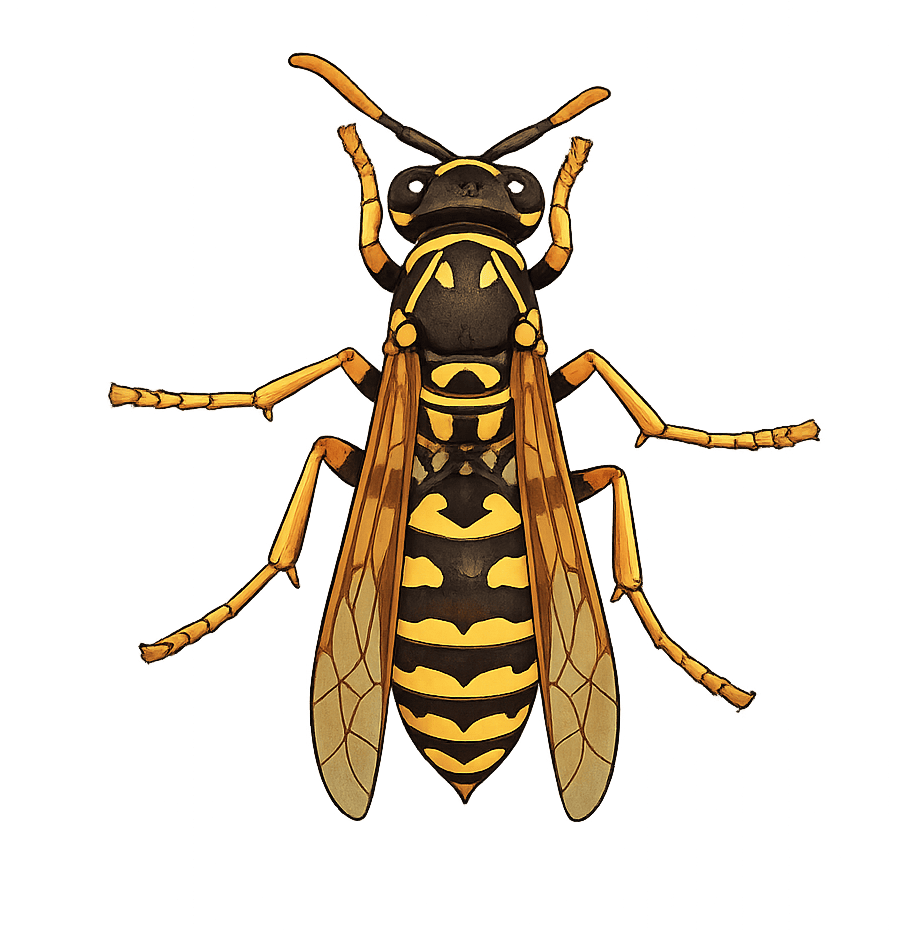
Ants, spiders, and mosquitoes through the warm season, then mice and overwintering insects like boxelder bugs pushing indoors as it cools. Homes near farmland often see more field mice around harvest, and the northwest corner near the lake tends to run a little more humid, which suits roaches and spiders.
Do you handle mice?
Yes. Our rodent service focuses on mice, with exterior work around the structure and interior trapping where it’s needed. Homes on the edge of farmland tend to see more mouse activity in fall, so getting ahead of it helps.
